EN
EN
 AR
AR
 CS
CS
 DA
DA
 NL
NL
 FI
FI
 FR
FR
 DE
DE
 EL
EL
 HI
HI
 IT
IT
 JA
JA
 KO
KO
 PL
PL
 PT
PT
 RU
RU
 ES
ES
 SV
SV
 IW
IW
 ID
ID
 LV
LV
 LT
LT
 SR
SR
 SK
SK
 SL
SL
 UK
UK
 VI
VI
 ET
ET
 HU
HU
 MT
MT
 TH
TH
 TR
TR
 FA
FA
 MS
MS
 GA
GA
 HY
HY
 UR
UR
 BN
BN
 GU
GU
 TA
TA



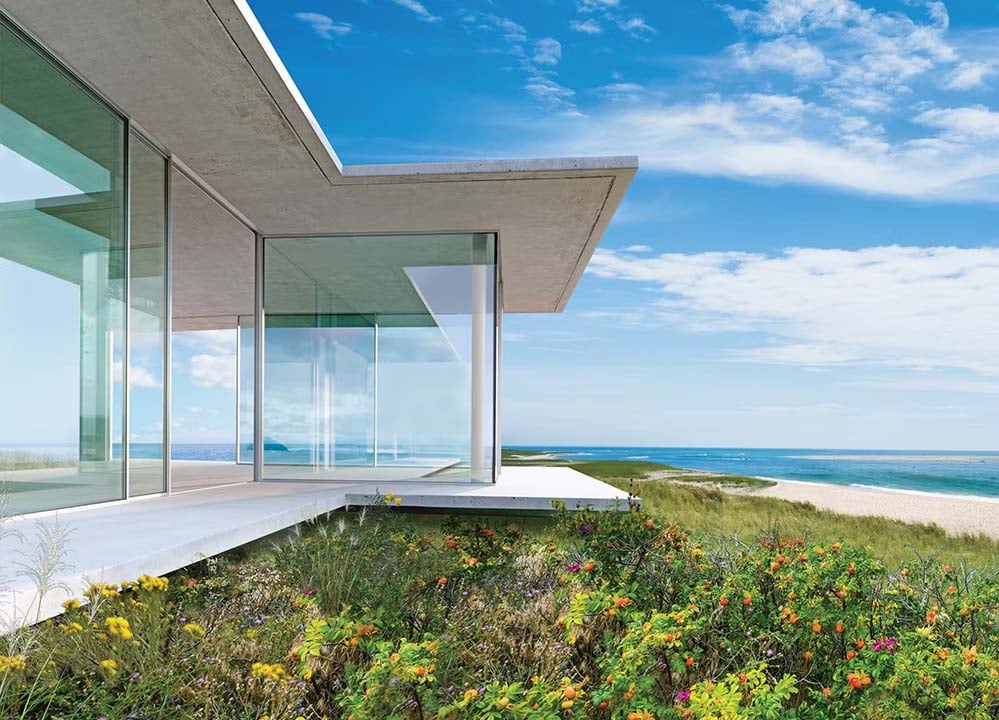

Wood vs. Fiberglass vs. Aluminum Exterior Doors: Which Is Best for American Climates?
America’s climate is a study in extremes—from the frigid winters of Minnesota to the humid summers of Florida, and the arid heat of Arizona to the salt-laden breezes of coastal California. When choosing an exterior door, material performance in these varied conditions isn’t just a matter of durability; it directly impacts energy bills, maintenance costs, and curb appeal. Let’s break down how wood, fiberglass, and aluminum doors stack up against the country’s most challenging climates.
Wooden Exterior Doors: Timeless Charm with Climate Caveats
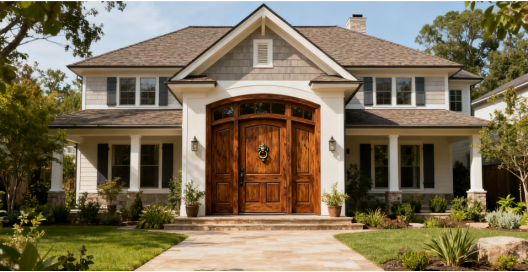
Wooden doors are beloved for their warm grain and architectural versatility, making them a top pick for traditional and farmhouse-style homes. Their natural insulation works well in mild climates—think the Pacific Northwest’s temperate rains or the Northeast’s moderate springs—where temperature swings are gentle.
However, wood is porous, so it struggles in extreme conditions. In humid Southern states, it absorbs moisture, leading to warping and rot; in dry Southwest deserts, it loses moisture, causing cracks. Coastal homes face additional risk—salt air accelerates corrosion of hardware and discolors the wood. Annual sealing or staining is non-negotiable to extend their lifespan, pushing maintenance costs higher than other materials.
Fiberglass Exterior Doors: Climate-Resilient All-Rounder
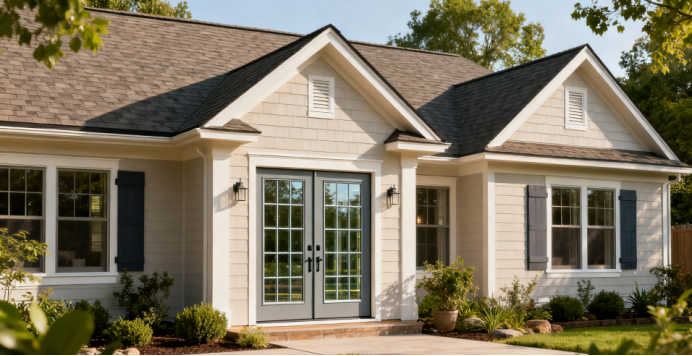
Fiberglass doors have risen in popularity for their ability to mimic wood’s aesthetics without the upkeep. Made from reinforced plastic, they’re impervious to moisture—ideal for Florida’s hurricane season and Louisiana’s swamps. Their insulation core also shines in cold climates: in North Dakota’s subzero winters, they prevent heat loss better than aluminum, keeping utility bills low.
Unlike wood, fiberglass doesn’t expand or contract with temperature changes, so it resists cracking in Arizona’s 100°F+ summers. It also holds up against salt air, making it a solid choice for coastal homes. The only tradeoff? It’s pricier upfront than aluminum, but the 20+ year lifespan (with minimal maintenance) offsets the cost long-term.
Aluminum Exterior Doors: Sleek and Durable, with a Cold Climate Caveat
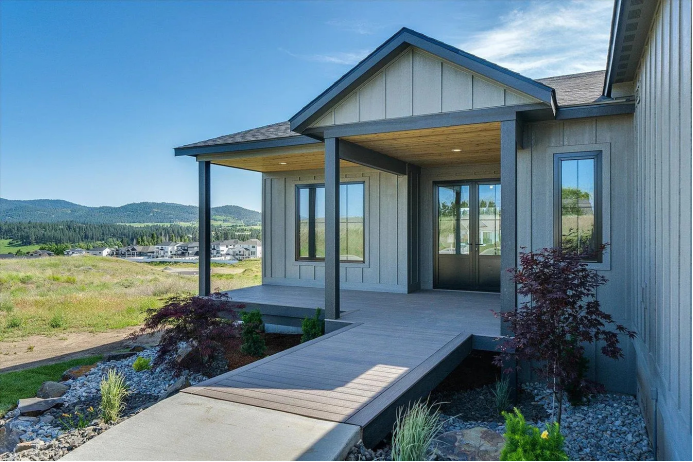
Aluminum doors are prized for their slim profiles and modern look, perfect for contemporary homes. They’re lightweight yet strong—resistant to dents, rust (with powder-coating), and hurricane-force winds, which is why they’re common in coastal Texas and the Carolinas. Their low cost and easy installation make them a budget-friendly option for rental properties or quick renovations.
The downside? Aluminum conducts heat and cold, so it’s inefficient in extreme temperatures. In Maine’s winters, it can form condensation (leading to mold), and in Arizona’s summers, it absorbs heat, making entryways uncomfortable. Adding thermal breaks (insulated strips) helps, but it increases costs—narrowing the gap with fiberglass.
For mild climates (Pacific Northwest, Midwest), wood offers charm if you’re willing to maintain it. For extreme humidity, cold, or coastal areas (Florida, Alaska, California coast), fiberglass is the most reliable. For warm, dry regions (New Mexico) or budget projects, aluminum works—just add thermal breaks. Your exterior door is your home’s first line of defense; choosing the right material ensures it stands strong against whatever the American weather throws its way.