EN
EN
 AR
AR
 CS
CS
 DA
DA
 NL
NL
 FI
FI
 FR
FR
 DE
DE
 EL
EL
 HI
HI
 IT
IT
 JA
JA
 KO
KO
 PL
PL
 PT
PT
 RU
RU
 ES
ES
 SV
SV
 IW
IW
 ID
ID
 LV
LV
 LT
LT
 SR
SR
 SK
SK
 SL
SL
 UK
UK
 VI
VI
 ET
ET
 HU
HU
 MT
MT
 TH
TH
 TR
TR
 FA
FA
 MS
MS
 GA
GA
 HY
HY
 UR
UR
 BN
BN
 GU
GU
 TA
TA


When to Replace Your Exterior Door: 5 Signs US Homeowners Ignore
Your home’s exterior door is more than just an entry point—it’s a barrier against harsh weather, a line of security, and a key contributor to energy efficiency. Yet many US homeowners overlook subtle (and not-so-subtle) signs that their door is past its prime, waiting until a major issue like a broken lock or rotted frame forces a replacement. Ignoring these red flags can lead to higher utility bills, safety risks, and costly damage to your home. Below are the top 5 signs you need to replace your exterior door, tailored to American climates and living habits.
- Drafts and Rising Energy Bills
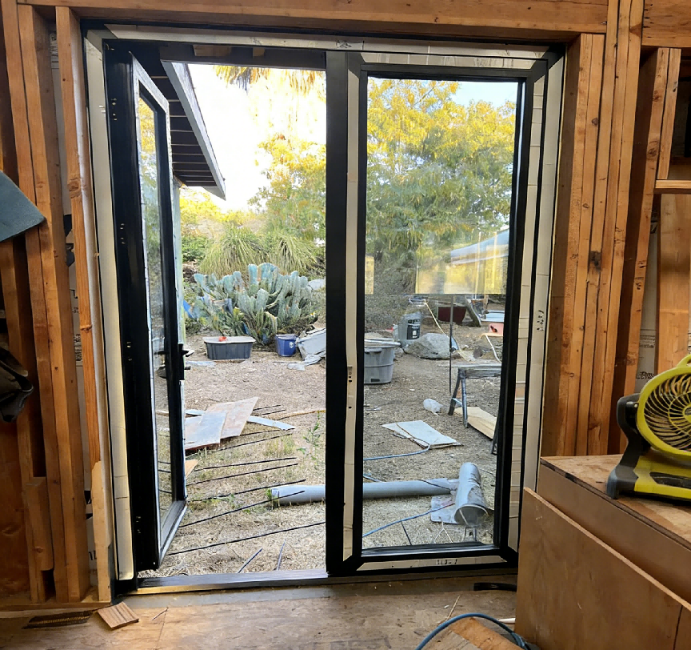
One of the most common (and costly) ignored signs is persistent drafts around the door. If you feel cold air seeping in during Minnesota winters or hot air creeping in during Arizona summers, your door’s weatherstripping, seals, or core insulation may be failing. Aluminum doors with worn thermal breaks, wooden doors with cracks, or fiberglass doors with damaged seals all lose their ability to regulate temperature.
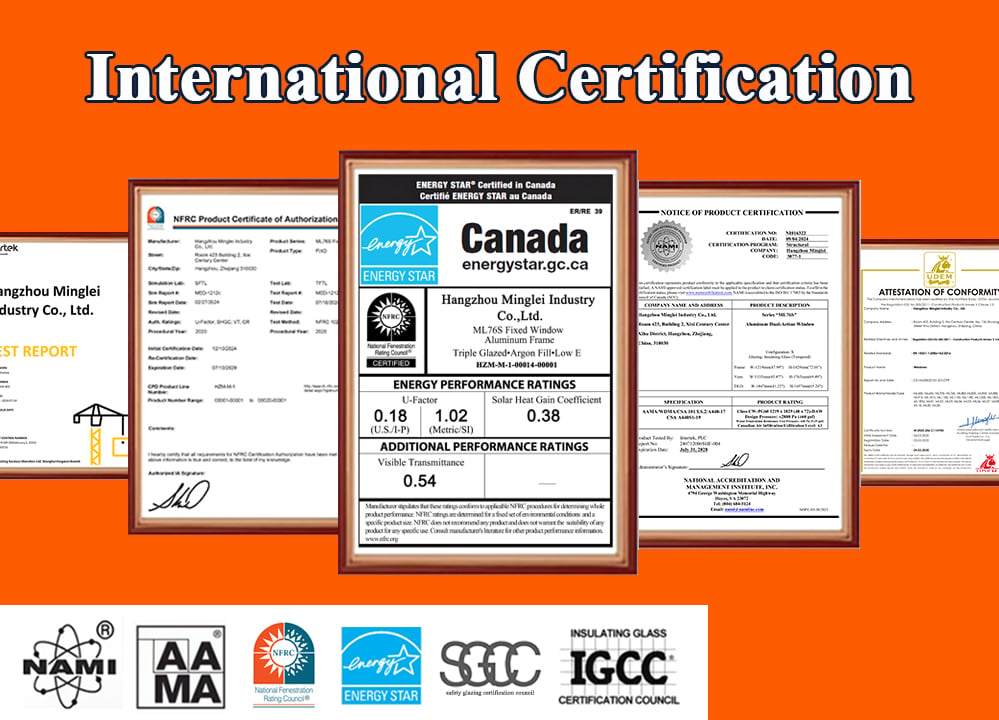
US homeowners often blame high utility bills on HVAC systems, but a faulty exterior door can increase energy costs by 10-20%. If you’ve noticed a steady rise in your electricity or gas bill without a change in usage, it’s time to inspect your door—replacing it with an ENERGY STAR® certified model can quickly offset the investment.
- Visible Damage to Frames or Panels
Visible damage like cracks, warping, or rot is hard to miss, yet many homeowners delay repairs, thinking “it’s not that bad.” For wooden doors, even small cracks can absorb moisture from Florida’s humidity or Pacific Northwest rains, leading to widespread rot and structural weakness. Aluminum doors may dent or bend from storm debris, compromising their security.
Pay special attention to soft spots on wooden frames—pressing gently with your finger can reveal hidden rot. For fiberglass doors, discoloration or bubbling may indicate water intrusion, which weakens the core. Once damage penetrates the frame or core, repairs are temporary; full replacement is the only way to restore safety and durability.
- Difficulty Opening or Closing
Doors that stick, jam, or require excessive force to open/close are more than just a nuisance—they’re a sign of underlying issues. In humid climates, wooden doors expand, causing them to stick in frames; in dry deserts, they contract, leaving gaps. Aluminum doors may jam if their tracks (for sliding models) are clogged with pet hair or debris, or if hinges loosen over time.
While sanding a wooden door or cleaning tracks can provide a quick fix, frequent jamming often means the door’s structure is compromised. For example, a warped door won’t align with the frame permanently, and loose hinges can lead to misalignment over time—both issues that warrant replacement.
- Failing Hardware and Security Risks
Hardware like locks, hinges, and handles is often overlooked, but worn components put your home at risk. Loose hinges can cause the door to sag, creating gaps that intruders can exploit. Rusty locks or handles (common in coastal areas with salt air) may fail to lock properly, leaving your home vulnerable.
US homeowners should inspect hardware annually—if locks stick, hinges squeak despite lubrication, or handles feel loose, it may be a sign the door is misaligned or the hardware is incompatible. In some cases, replacing hardware isn’t enough; an older door may not support modern, high-security locks, making full replacement necessary.
- Faded Finish or Outdated Style
A faded, chipped finish isn’t just an aesthetic issue—it’s a sign your door’s protective layer is gone. UV rays from the sun (strong in states like California and Texas) break down paint or stain, leaving the door vulnerable to moisture and damage. For wooden doors, a worn finish accelerates rot; for fiberglass or aluminum, it reduces durability and curb appeal.
Outdated styles can also hurt your home’s resale value. Potential buyers in the US prioritize modern, energy-efficient doors—an old, worn door may make your home less competitive on the market. Replacing it with a stylish, durable model not only boosts curb appeal but also increases property value.
Your exterior door works hard year-round to protect your home from America’s extreme climates and security threats. Don’t wait for a crisis to replace it—watch for these 5 signs to make a proactive change. Investing in a high-quality exterior door not only improves energy efficiency and security but also enhances your home’s comfort and value for years to come.