EN
EN
 AR
AR
 CS
CS
 DA
DA
 NL
NL
 FI
FI
 FR
FR
 DE
DE
 EL
EL
 HI
HI
 IT
IT
 JA
JA
 KO
KO
 PL
PL
 PT
PT
 RU
RU
 ES
ES
 SV
SV
 IW
IW
 ID
ID
 LV
LV
 LT
LT
 SR
SR
 SK
SK
 SL
SL
 UK
UK
 VI
VI
 ET
ET
 HU
HU
 MT
MT
 TH
TH
 TR
TR
 FA
FA
 MS
MS
 GA
GA
 HY
HY
 UR
UR
 BN
BN
 GU
GU
 TA
TA


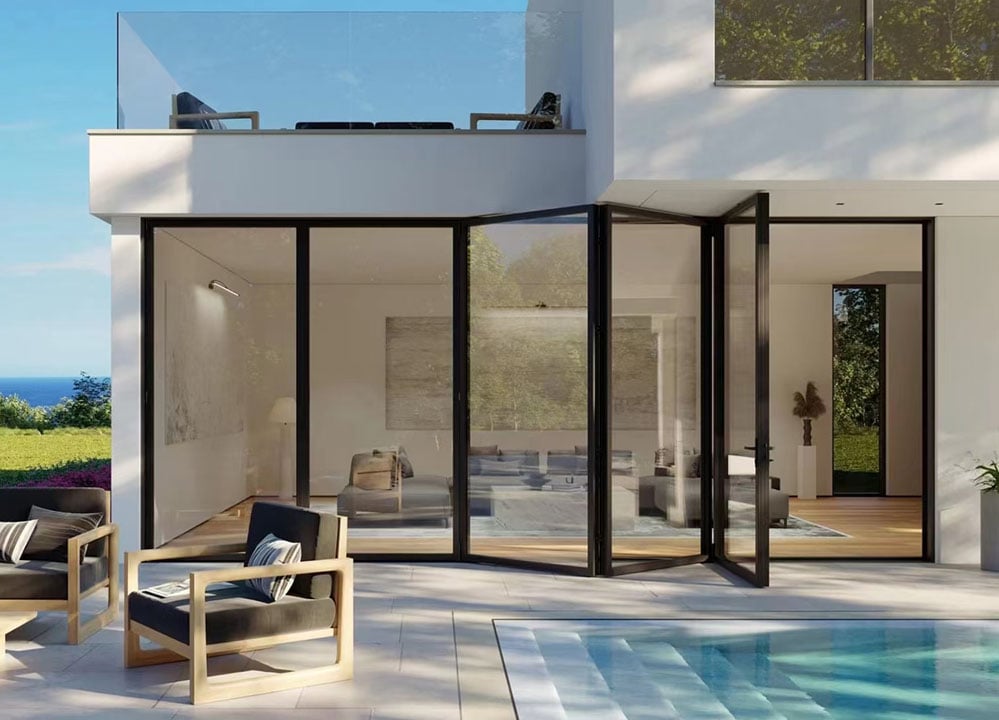
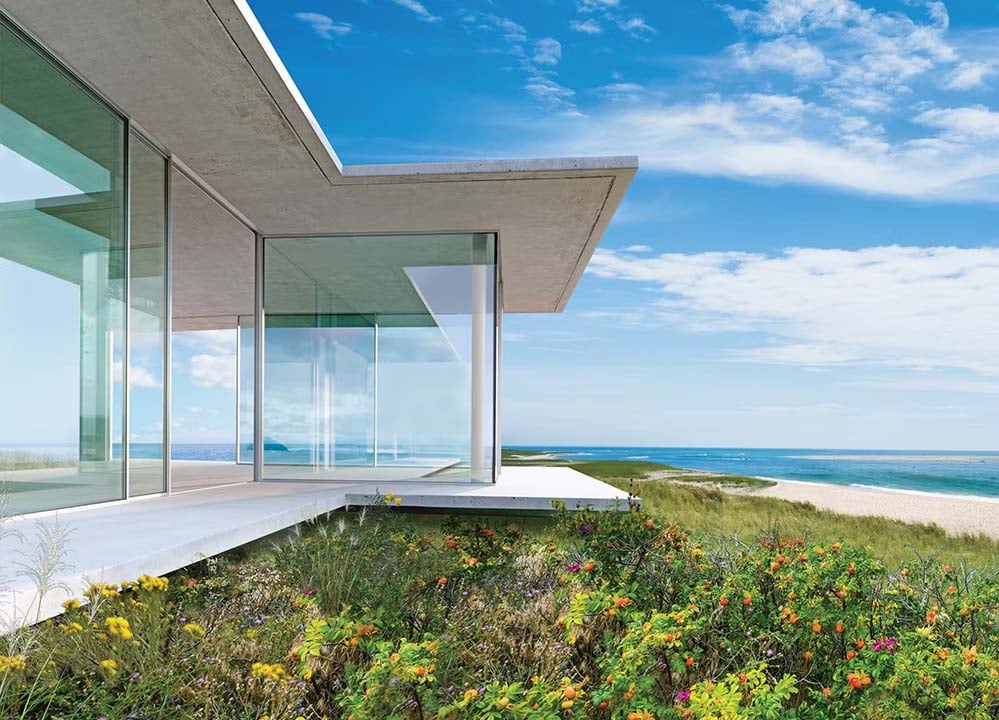

Everything You Need to Know About European Windows
If you follow architecture and interior design, or are simply looking to upgrade your living space, you cannot escape the topic of "European Windows." Between 2023 and 2026, driven by the EU Green Deal and the energy crisis, European window technology has undergone a revolution—shifting from "passive energy saving" to "active intelligence."
Why Are European Windows Different?
Unlike windows that serve merely as tools for light and ventilation, modern European windows are defined as the building's "Energy Gatekeepers."
The Rise of Passive House Standards: To combat energy challenges, Europe has aggressively promoted Passive House standards. This means windows are no longer just glass; they are high-performance insulation systems. Data indicates that by 2026, the proportion of new homes meeting Near-Zero Energy Building standards in the EU is expected to rise significantly, with the Window U-value becoming a critical metric.
Strict Regulatory Drivers: The EU Energy Performance of Buildings Directive mandates that all new buildings must be nearly zero-energy. This forces manufacturers to constantly push the boundaries of thermal insulation and air tightness.
Core Technology: The Hard Science of Saving Energy
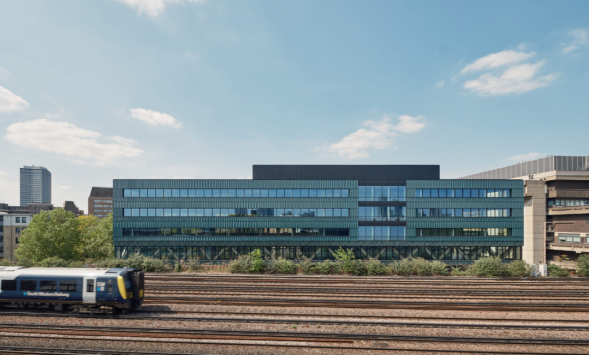
The excellent thermal performance of European windows is largely due to three "black technologies":
1. Triple Glazing and Inert Gases
In Europe, especially in Nordic and colder regions, double glazing is being replaced by triple glazing.
Structure: Three panes of glass with two insulating cavities.
Filling: The cavities are typically filled with inert gases like Argon or Krypton to reduce heat conduction.
Performance: High-quality triple-glazed windows can achieve a U-value as low as 0.6 W/(m²·K), meaning exceptional insulation that drastically reduces energy consumption for winter heating and summer cooling.
2. Warm Edge Spacers
This is a detail often overlooked but crucial. Traditional aluminum spacers act as "cold bridges," conducting heat away. Modern European system windows use composite material "warm edge spacers," which cut off the thermal loss path at the edges, improving insulation and effectively preventing condensation.
3. Thermal Break Aluminum and Multi-Chamber Profiles
Frame materials matter too. Thermally broken aluminum and multi-chamber PVC or wood-aluminum composite profiles are mainstream. They physically interrupt heat transfer through the frame. Market data from 2026 shows that high-performance thermal break aluminum system windows have become the top choice for large-scale engineering projects.
2026 Design Trends: The Fusion of Intelligence and Aesthetics
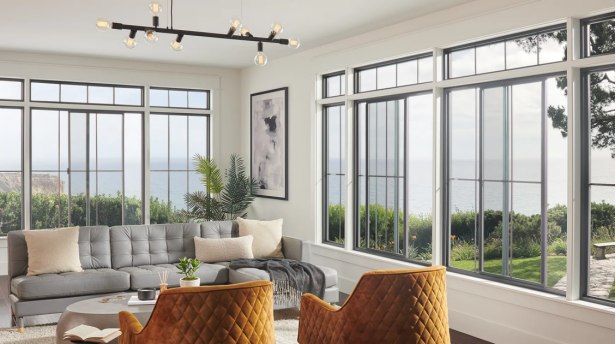
Beyond the hard metrics of energy efficiency, European windows have also seen an aesthetic and functional upgrade between 2023 and 2026.
Unconscious Intelligence: True intelligence isn't about piling on remotes; it's about "understanding you." Modern European windows integrate weather sensing systems that close automatically when it rains; they support voice control and remote app operation; and they even feature micro-ventilation functions that introduce fresh air while maintaining sound insulation, preventing the home from becoming a "sealed jar."
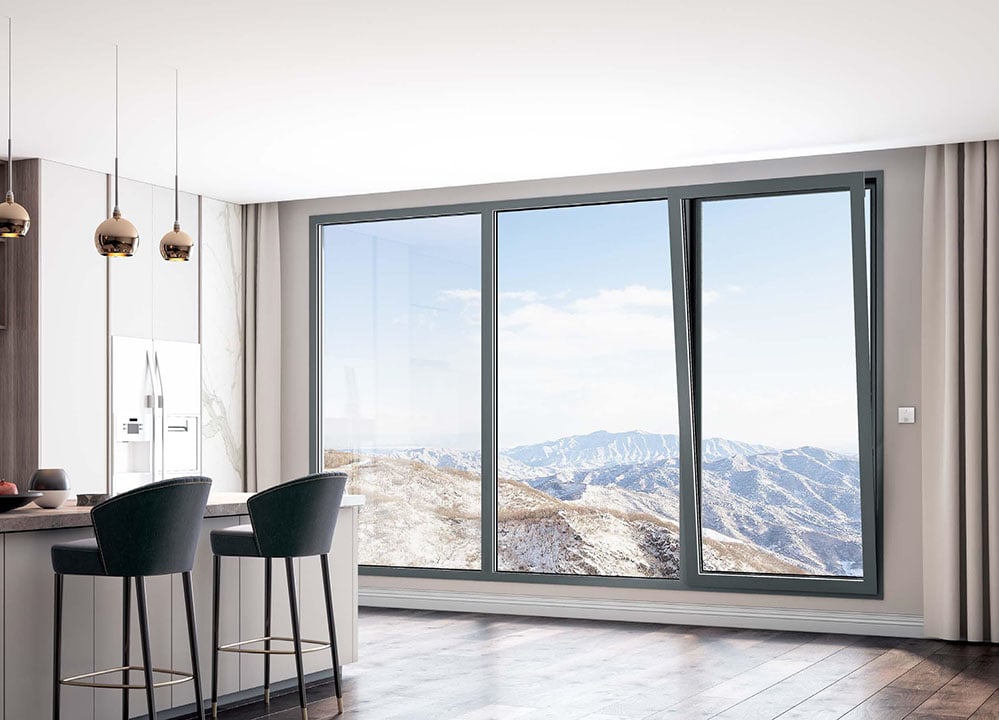
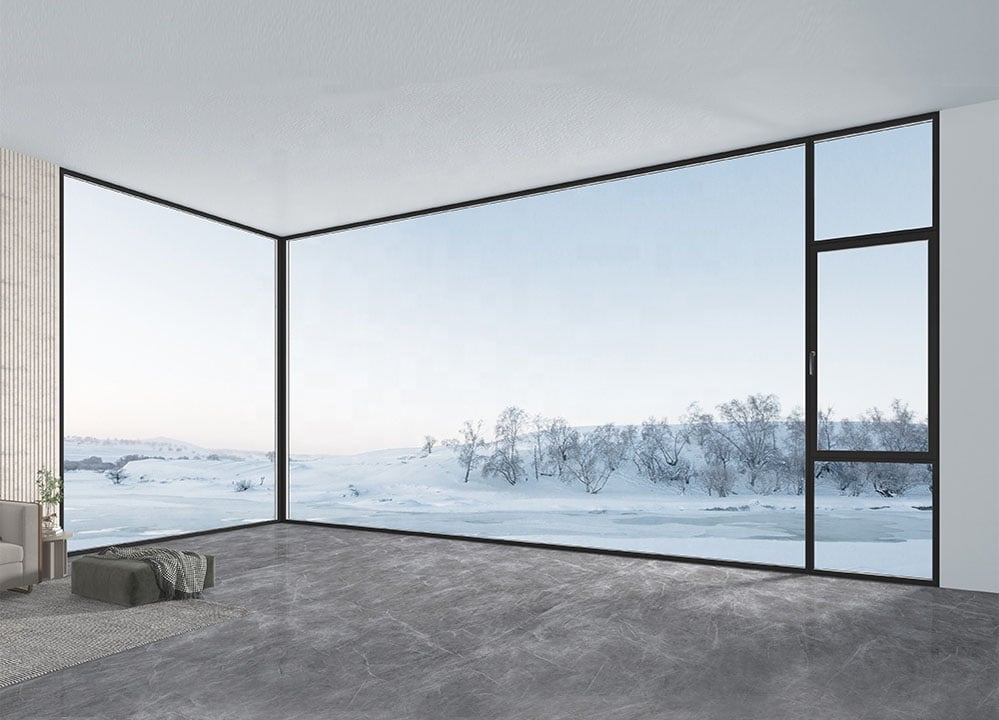
Minimalist Views: To pursue the ultimate landscape view, ultra-narrow frame designs are trending. Manufacturers are minimizing the visible frame to achieve a "frame hidden in the scenery" effect, all while maintaining structural strength (such as wind pressure resistance).
Mixing Vintage and Modern: In places like Spain, traditional bay window designs are making a strong comeback. Modern technology combines these vintage elements with high-performance energy-saving glass, preserving historical charm while providing modern comfort.
The Opportunity in Retrofitting
The story of European windows isn't just about new builds. Approximately 85% of buildings in Europe were built before 2000 and have low energy efficiency. Therefore, window replacement is one of the most effective measures for retrofitting existing buildings.
Synergy: Studies show that combining window replacement with external wall insulation can reduce energy bills by 25% to 35%.
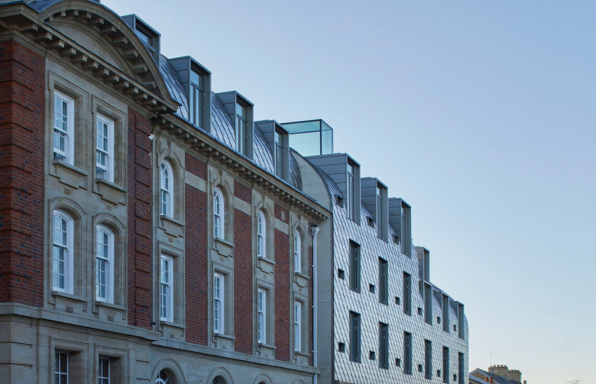
Historic Preservation: For historic buildings, European manufacturers (like SCHOTT) have developed specialized restoration glass that retains the irregular texture of old glass while offering modern insulation and UV protection.
Conclusion
From 2023 to 2026, the European window industry has demonstrated how technological innovation can solve the dual challenges of energy and comfort. Whether you are pursuing the ultimate energy efficiency of Passive House certification or desiring the convenience of unconscious intelligence, European windows offer a mature solution model.