EN
EN
 AR
AR
 CS
CS
 DA
DA
 NL
NL
 FI
FI
 FR
FR
 DE
DE
 EL
EL
 HI
HI
 IT
IT
 JA
JA
 KO
KO
 PL
PL
 PT
PT
 RU
RU
 ES
ES
 SV
SV
 IW
IW
 ID
ID
 LV
LV
 LT
LT
 SR
SR
 SK
SK
 SL
SL
 UK
UK
 VI
VI
 ET
ET
 HU
HU
 MT
MT
 TH
TH
 TR
TR
 FA
FA
 MS
MS
 GA
GA
 HY
HY
 UR
UR
 BN
BN
 GU
GU
 TA
TA


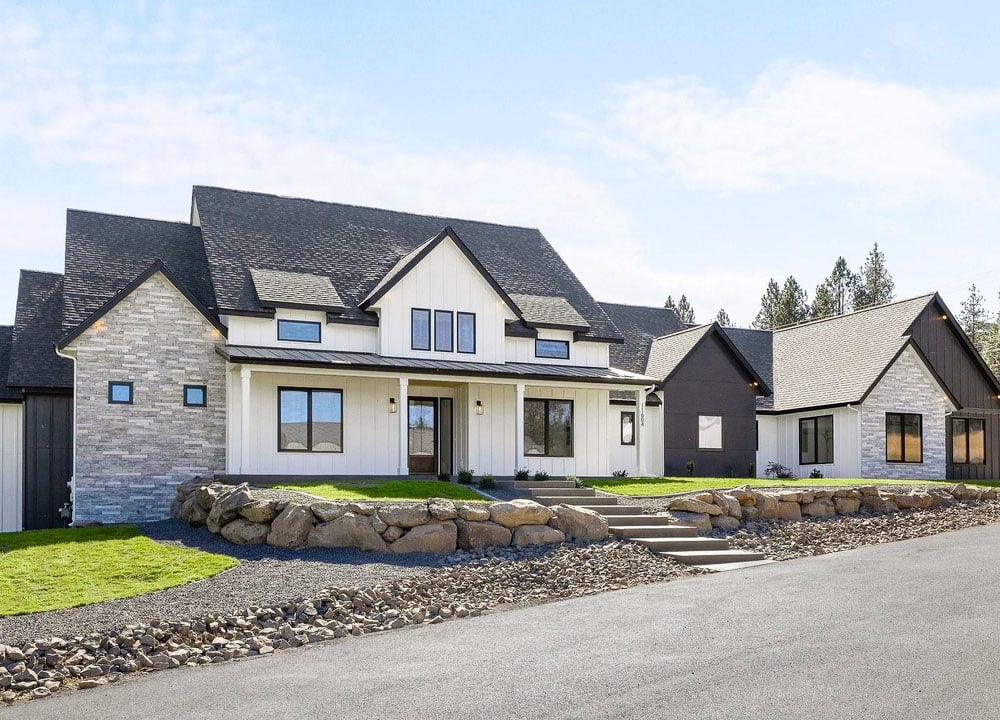

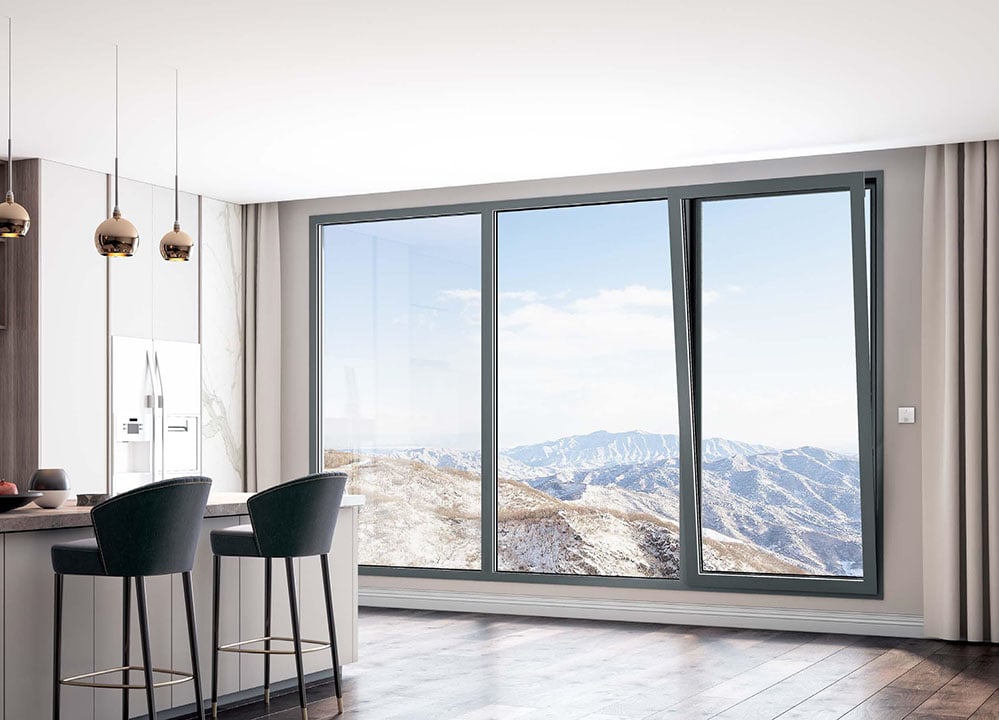
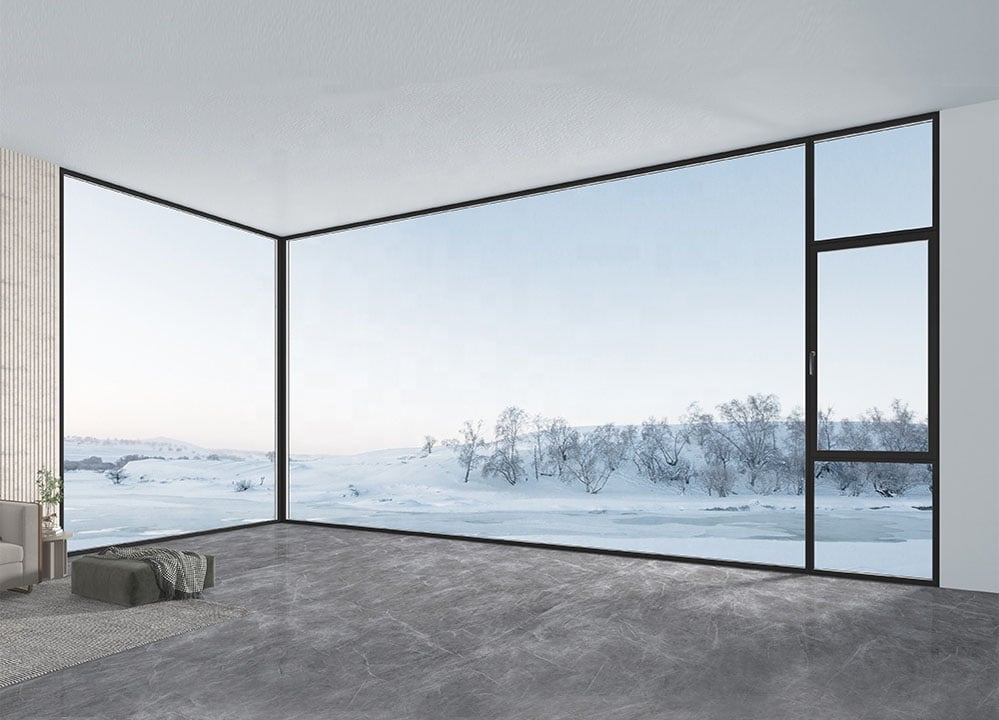
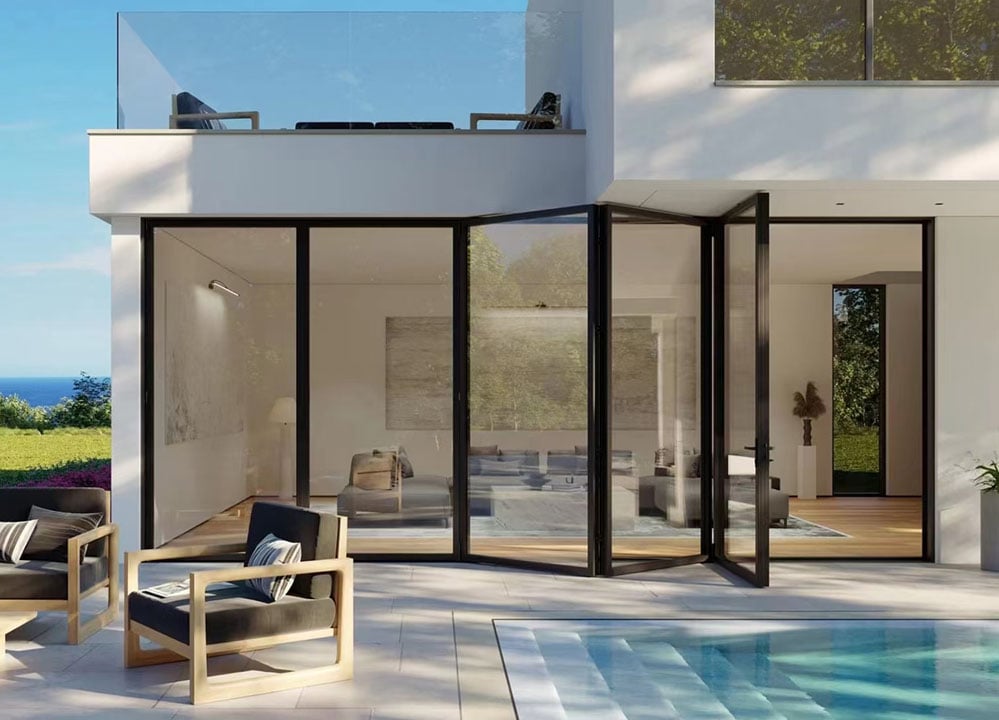
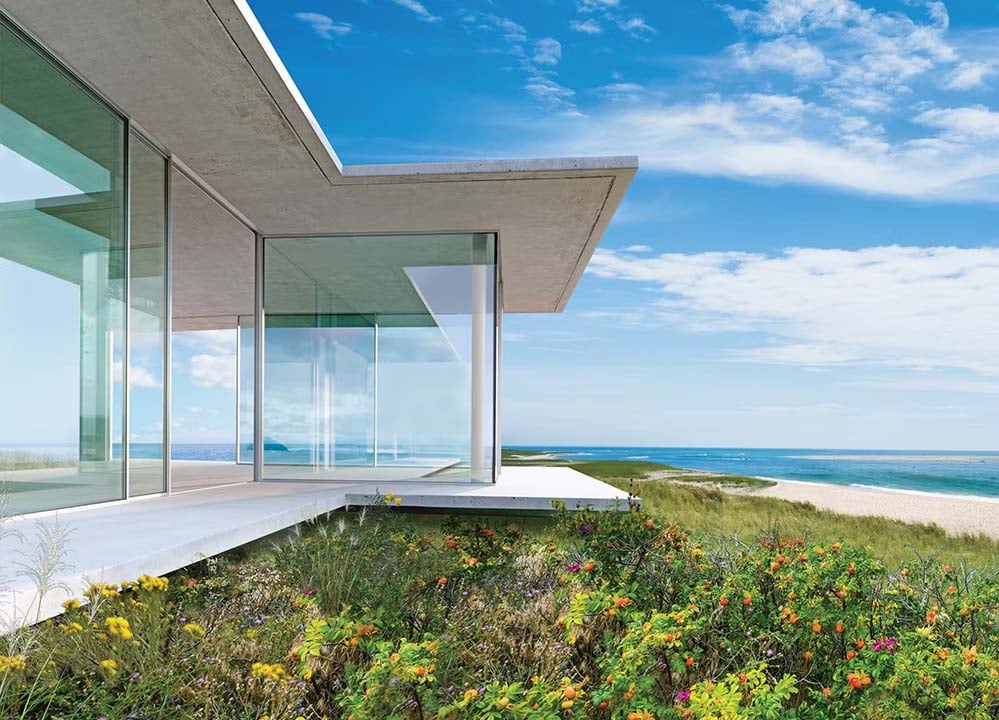

A Complete Guide to Choosing the Right Windows: What Really Matters
Windows do far more than just bring in light—they influence your home’s comfort, energy efficiency, ventilation, security, and even long-term maintenance costs. Choosing the right windows isn’t just about aesthetics; it’s a technical decision that affects how your home performs every day.
If you're planning to buy new windows or upgrade existing ones, here’s a comprehensive guide to the key factors you should consider.
1. Glass: The Heart of Window Performance
The type of glass you choose directly impacts insulation, safety, and noise control.
Types of Glass to Consider
Single glazing: Basic and inexpensive, but poor insulation
Double glazing: Two layers of glass with air or gas in between, offering better insulation
Triple glazing: Superior insulation, ideal for extreme climates
Advanced Glass Features
Low-E (low Emissivity ) coatings: Reflect heat back into your home in winter and keep heat out in summer
Tempered glass: Stronger and safer, shatters into small blunt pieces
Laminated glass: Improves security and reduces noise
A well-chosen glass package can significantly reduce energy bills and increase indoor comfort.
2. Screens: Protection Without Compromise
Window screens, especially mosquito or insect screens, are often overlooked but essential for maintaining airflow while keeping pests out.
Screen Material Options
Fiberglass mesh: Affordable and flexible
Aluminum mesh: Durable and corrosion-resistant
Stainless steel mesh: Strong and long-lasting, ideal for high-security needs
Key Considerations
Mesh density (finer mesh blocks smaller insects)
Ease of removal for cleaning
Compatibility with window type
Good screens should strike a balance between visibility, airflow, and protection.
3. Hardware: The Backbone of Functionality
Window hardware includes handles, hinges, locks, rollers, and tracks—components that determine how smoothly your windows operate.
What to Look For
Corrosion resistance (especially in humid or coastal areas)
Smooth operation for daily use
Strong locking systems for security
Durability to withstand repeated opening and closing
Cheap hardware often fails first, so investing in quality components pays off in the long run.
4. Opening Mechanism: Function Meets Convenience
Different window styles offer different levels of ventilation, accessibility, and space efficiency.
Common Types
Sliding windows: Move horizontally; great for space-saving
Casement windows: Open outward like a door; excellent ventilation
Awning windows: Hinged at the top; can stay open during rain
Fixed windows: Do not open; ideal for views and natural light
Choosing the Right Mechanism
Consider:
Room size and layout
Ventilation needs
Ease of cleaning
Safety (especially for homes with children)
The right opening style improves both usability and comfort.
5. Thermal Insulation: Energy Efficiency Matters
Thermal insulation determines how well your windows keep heat inside during winter and outside during summer.
Key Performance Indicators
U-value: Measures heat transfer (lower is better)
Solar Heat Gain Coefficient (SHGC): Indicates how much solar heat enters
Air leakage rating: Shows how airtight the window is
Frame Materials Also Matter
uPVC: Excellent insulation, low maintenance
Aluminum: Strong but needs thermal breaks to improve insulation
Wood: Natural insulator, but requires maintenance
Energy-efficient windows reduce heating and cooling costs while improving indoor comfort year-round.
6. Sound Insulation: A Quieter Living Space
If you live in a noisy area, soundproofing becomes important.
Double or triple glazing helps reduce noise
Laminated glass improves acoustic insulation
Proper sealing prevents sound leaks
Good windows can significantly improve indoor tranquility.
7. Weather Resistance and Durability
Windows are constantly exposed to the elements, so durability is crucial.
Look for:
Water resistance
Wind resistance
UV stability
Long-lasting finishes
High-quality windows maintain performance and appearance over time.
8. Aesthetics and Design
While performance is key, design still matters.
Choose frame colors that match your interior and exterior
Consider slim profiles for a modern look
Ensure consistency across all windows for visual harmony
A well-designed window enhances both curb appeal and interior ambiance.
9. Installation Quality: The Hidden Factor
Even the best windows can fail if installed poorly.
Ensure proper sealing and alignment
Avoid gaps that cause air or water leakage
Consider professional installation for complex systems
Installation quality is just as important as the product itself.
Final Thoughts
Buying windows is a long-term investment that affects your home's comfort, efficiency, and value. By carefully evaluating glass quality, screens, hardware, opening mechanisms, and thermal insulation, you can make a well-informed decision that pays off for years to come.
Take the time to compare options, understand your specific needs, and prioritize quality over short-term savings. The right windows don’t just look good—they perform exceptionally every day.