EN
EN
 AR
AR
 CS
CS
 DA
DA
 NL
NL
 FI
FI
 FR
FR
 DE
DE
 EL
EL
 HI
HI
 IT
IT
 JA
JA
 KO
KO
 PL
PL
 PT
PT
 RU
RU
 ES
ES
 SV
SV
 IW
IW
 ID
ID
 LV
LV
 LT
LT
 SR
SR
 SK
SK
 SL
SL
 UK
UK
 VI
VI
 ET
ET
 HU
HU
 MT
MT
 TH
TH
 TR
TR
 FA
FA
 MS
MS
 GA
GA
 HY
HY
 UR
UR
 BN
BN
 GU
GU
 TA
TA

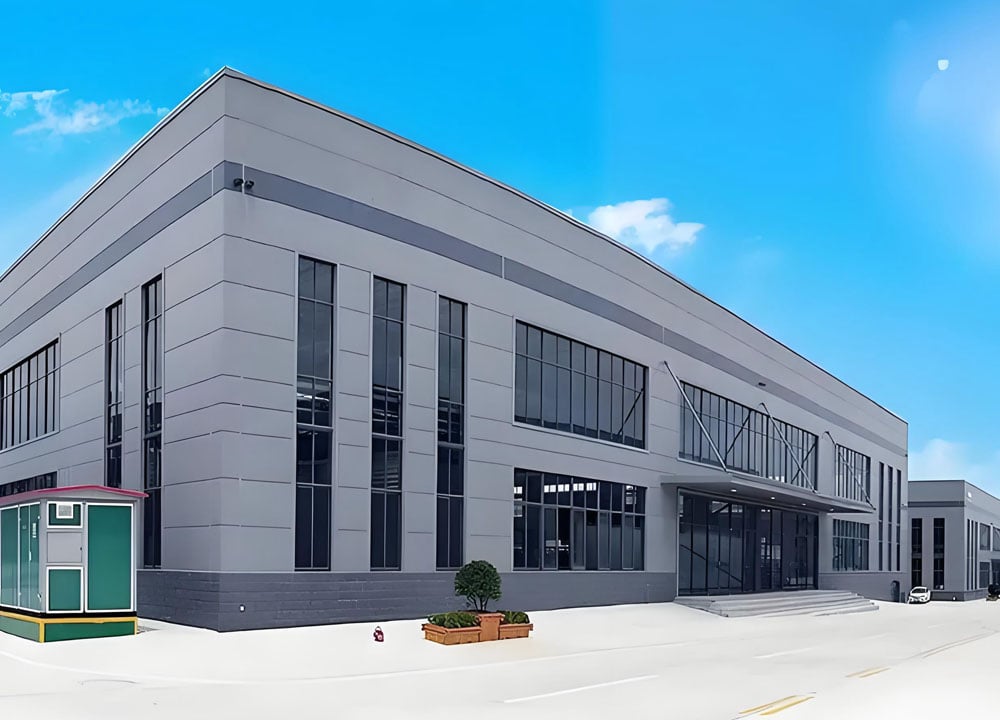
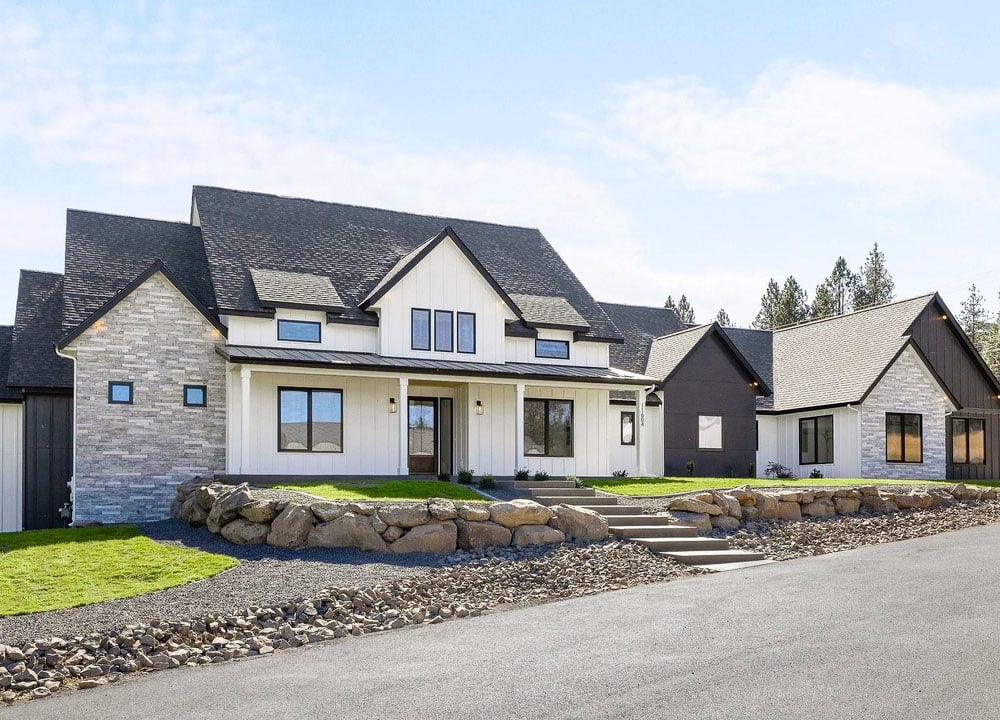

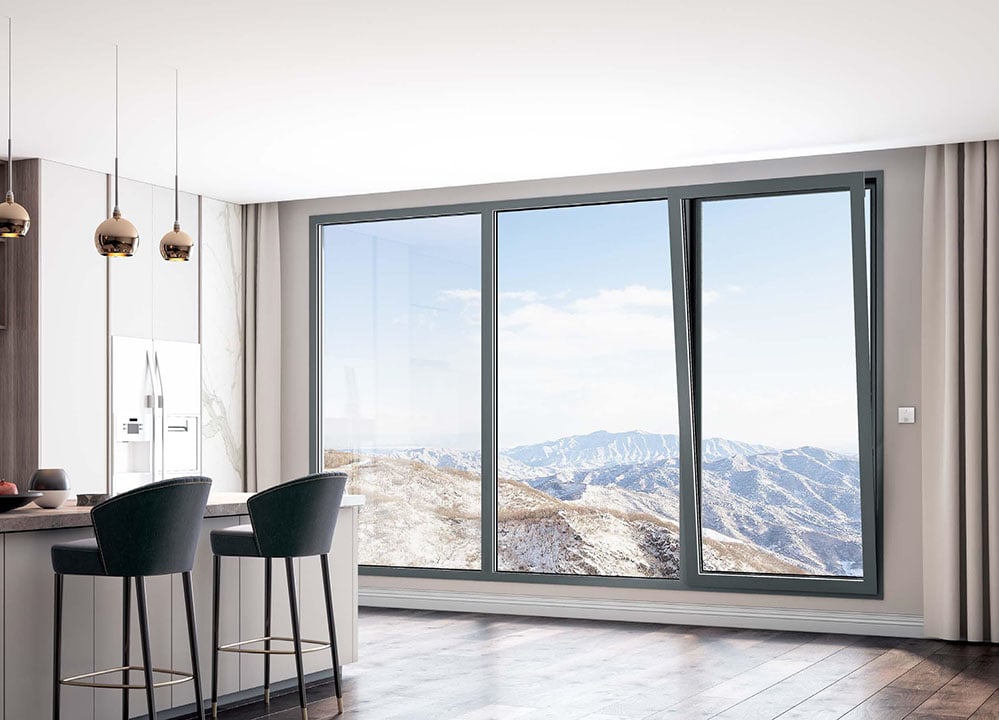
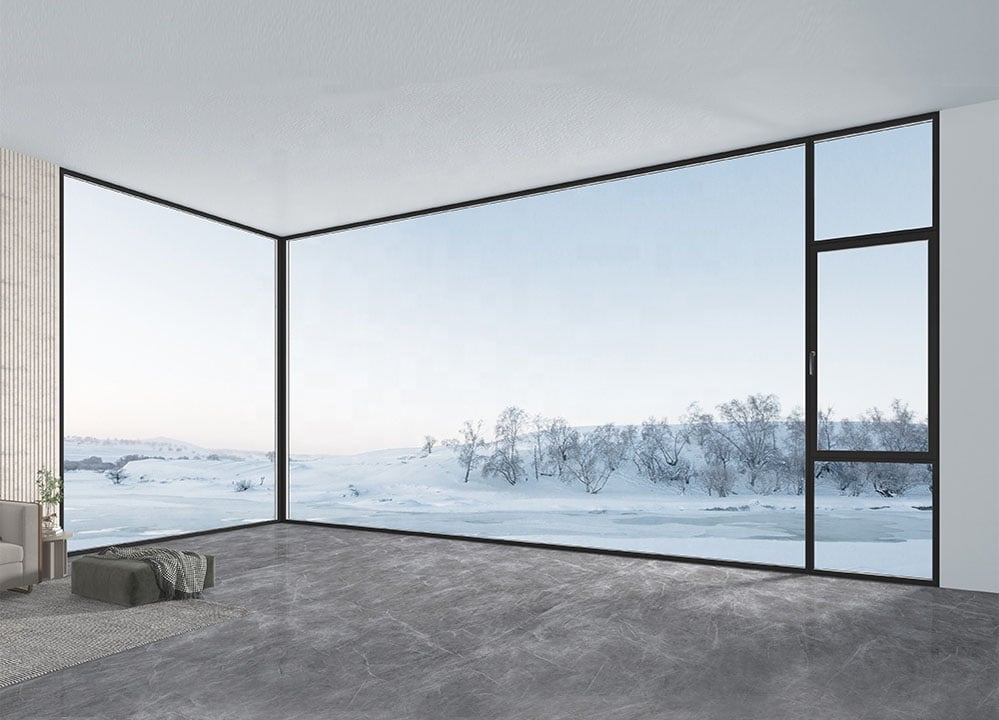
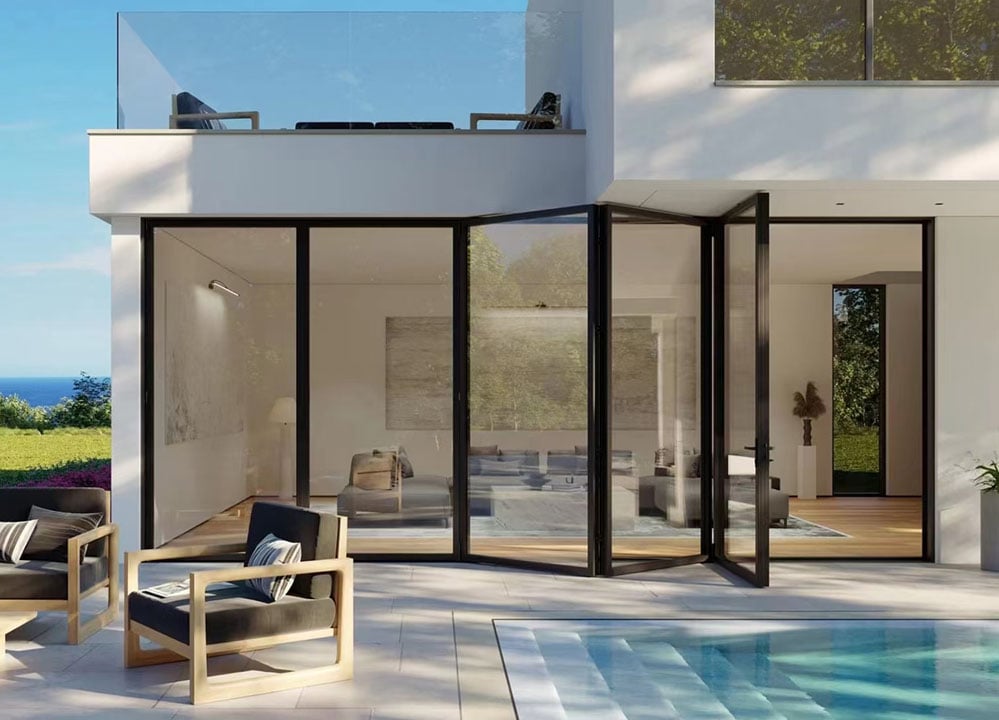
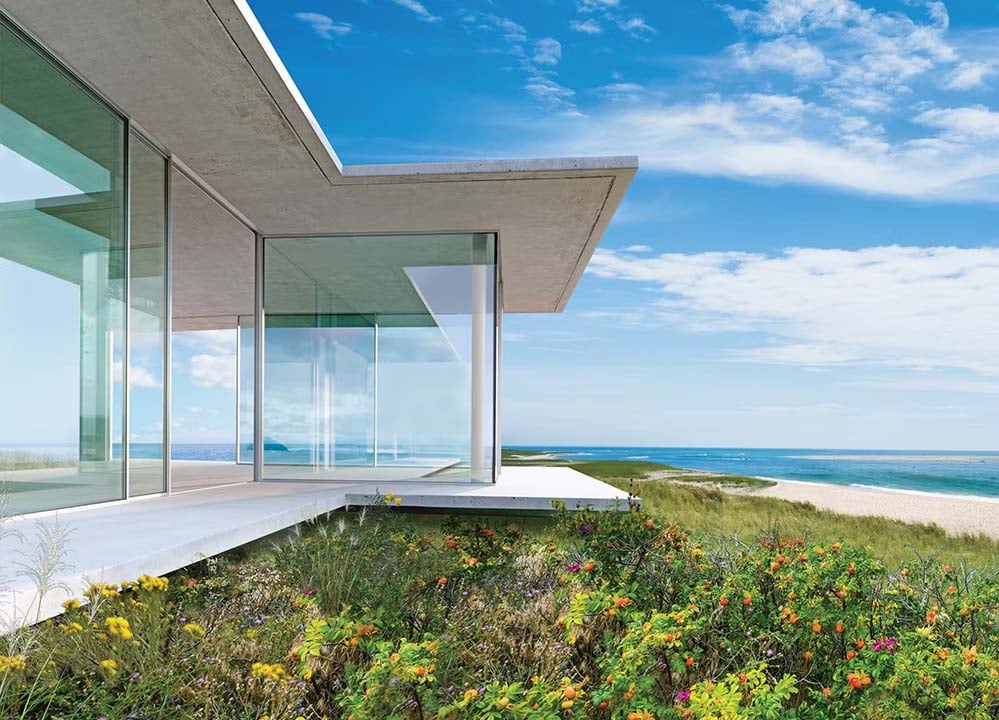

Why Window Glass Has Different Colors Across Regions and Manufacturers
When homeowners in different parts of the United States look at modern windows side by side, they often notice something subtle but important: the glass doesn’t look the same. Some windows appear slightly green, others look gray, bronze, or even nearly color-neutral. This variation is not accidental——it is the result of regional climate demands, energy efficiency regulations, material science choices, and manufacturer design priorities.
Understanding why this happens helps explain not only aesthetics, but also performance differences in modern insulated glazing units (IGUs).
- The Base Cause: All Glass Has a Natural Tint
Even “clear”float glass is not truly colorless. Standard soda-lime glass contains iron impurities that naturally produce a greenish tint. The thicker the glass, the more noticeable the green cast becomes.
Manufacturers can:
reduce iron content (low-iron glass → very clear, almost neutral)
accept the natural tint (standard glass → slightly green)
intentionally add coatings or tints to modify appearance
This base difference is the starting point for all regional and brand variations.
- Energy Standards Shape Glass Color in the U.S.
In the United States, glass color is strongly influenced by energy codes and certification programs such as:
Energy Star
National Fenestration Rating Council
These frameworks don’t directly regulate “color,” but they regulate performance metrics such as:
U-factor (heat loss)
SHGC (solar heat gain coefficient)
Visible Transmittance(VT)
To meet these targets, manufacturers adjust coatings and compositions, which inevitably affects appearance.
Key insight:
Better thermal performance often means more layers of metallic coatings → which changes the visible color.
3. North vs South U.S.: Climate Drives Glass Appearance
Northern U.S. (cold climates)
Regions like Minnesota, New York, and northern states prioritize heat retention.
Typical glass features:
Low-E coatings optimized for insulation
Higher visible light transmission preferred
Less solar rejection required
Visual effect:
glass tends to look clearer or slightly blue/green
lower tint density
more “neutral” appearance indoors
Southern U.S. (hot climates)
States like Texas, Arizona, and Florida prioritize solar heat rejection.
Typical glass features:
stronger Low-E coatings (often double or triple-silver layers)
higher SHGC control
reflective or spectrally selective coatings
Visual effect:
glass often appears:
gray
bronze
slightly mirrored
more noticeable tint under sunlight
Why this matters:
The same manufacturer may sell different “versions” of the same window depending on climate zone compliance, leading to visible color differences across regions.
- Coating Technology Is the Biggest Driver of Color Variation
Modern energy-efficient glass uses thin metallic layers applied through sputtering or pyrolytic processes.
Common coating types:
Low-E coatings
control infrared heat
often produce:
green-blue tint (older or basic coatings)
neutral gray (advanced coatings)
Solar control coatings
reduce solar gain
often create:
bronze or gray appearance
slight reflectivity
Triple-silver Low-E coatings (high performance)
very energy efficient
can appear:
cooler gray-blue
more reflective from certain angles
5. Manufacturer Differences: Not All “Energy Glass”Looks the Same
Even if two products both meet the same NFRC rating, manufacturers may choose different optical trade-offs:
Some prioritize:
clarity (higher VT —— lighter tint)
solar control (lower SHGC ——darker tint)
aesthetics (neutral color balance)
This is why two windows with identical ratings can look different side by side.
Major variations come from:
coating stack design
substrate glass (standard vs low-iron)
IGU configuration (double vs triple glazing)
spacer and gas fill (argon/krypton affects perceived depth)
6. Aesthetic and Architectural Preferences
Beyond performance, visual design matters—especially in residential architecture.
Common aesthetic choices:
Modern / luxury homes
low-iron glass
neutral gray coatings
minimal green tint
Traditional homes
standard glass (slight green hue)
softer visual tone
Commercial buildings
reflective or tinted glass
uniform facade appearance
Architects often coordinate glass color with:
aluminum frame finish
exterior siding color
regional sunlight intensity
7. Why the Same Window Looks Different in Different Light
Glass color is also highly dependent on:
angle of sunlight
sky conditions
interior vs exterior viewing
For example:
Overcast northern climates make glass appear more neutral
Strong southern sunlight enhances tint and reflection
Interior lighting can amplify green or gray tones
So perception varies even if the product is identical.
8. Summary: Glass Color Is a Performance Choice, Not a Cosmetic Accident
Window glass color differences across regions and manufacturers come down to a balancing act between:
climate-driven energy performance requirements
coating technology complexity
regulatory efficiency targets (Energy Star / NFRC)
material composition (iron content, low-iron glass)
manufacturer design priorities
architectural aesthetics
Final Thought
In modern window systems, color is essentially a visual byproduct of energy engineering. The more advanced the thermal performance, the more carefully engineered——and sometimes more visibly noticeable——the glass becomes.
So when you see slightly different shades of “clear”glass across regions or brands, you’re actually seeing different solutions to the same proble m: how to keep buildings comfortable, efficient, and compliant in very different climates.