EN
EN
 AR
AR
 CS
CS
 DA
DA
 NL
NL
 FI
FI
 FR
FR
 DE
DE
 EL
EL
 HI
HI
 IT
IT
 JA
JA
 KO
KO
 PL
PL
 PT
PT
 RU
RU
 ES
ES
 SV
SV
 IW
IW
 ID
ID
 LV
LV
 LT
LT
 SR
SR
 SK
SK
 SL
SL
 UK
UK
 VI
VI
 ET
ET
 HU
HU
 MT
MT
 TH
TH
 TR
TR
 FA
FA
 MS
MS
 GA
GA
 HY
HY
 UR
UR
 BN
BN
 GU
GU
 TA
TA


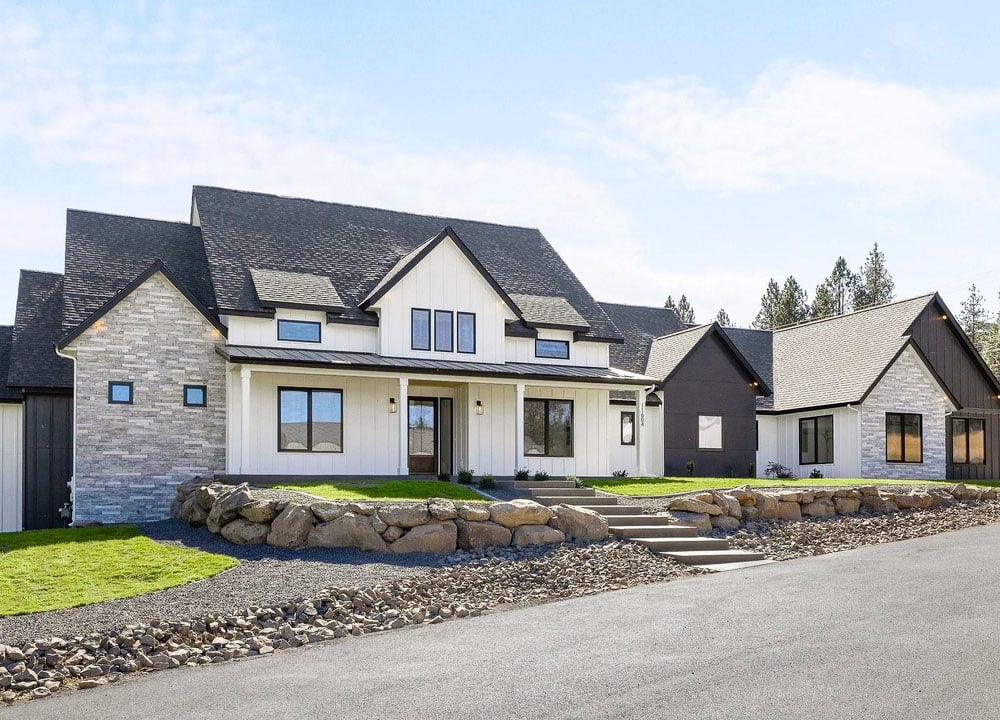

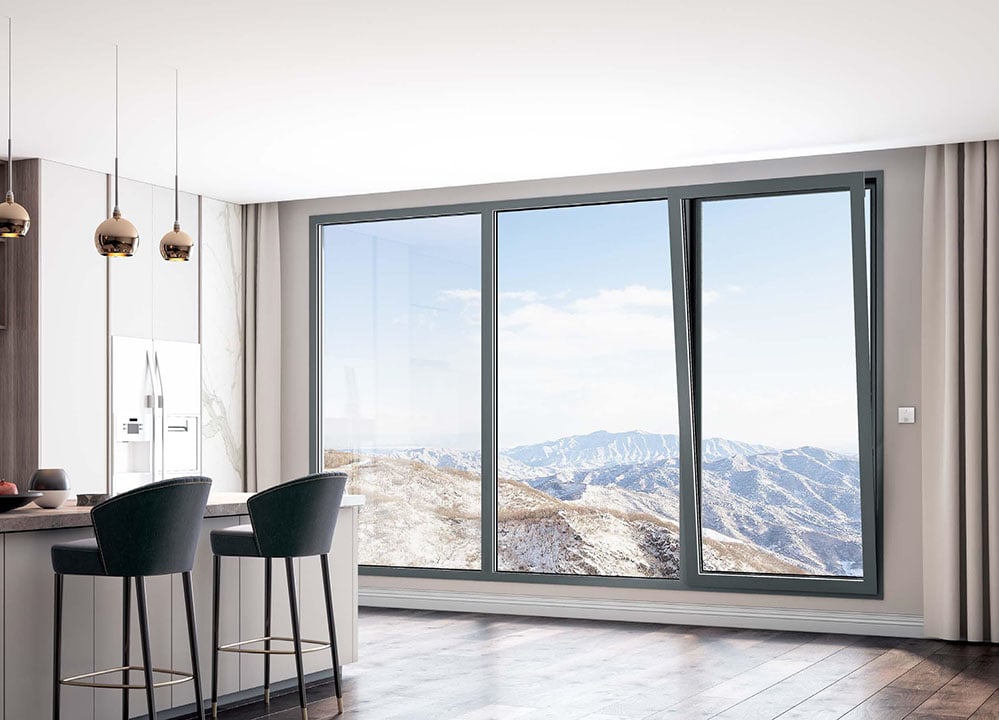
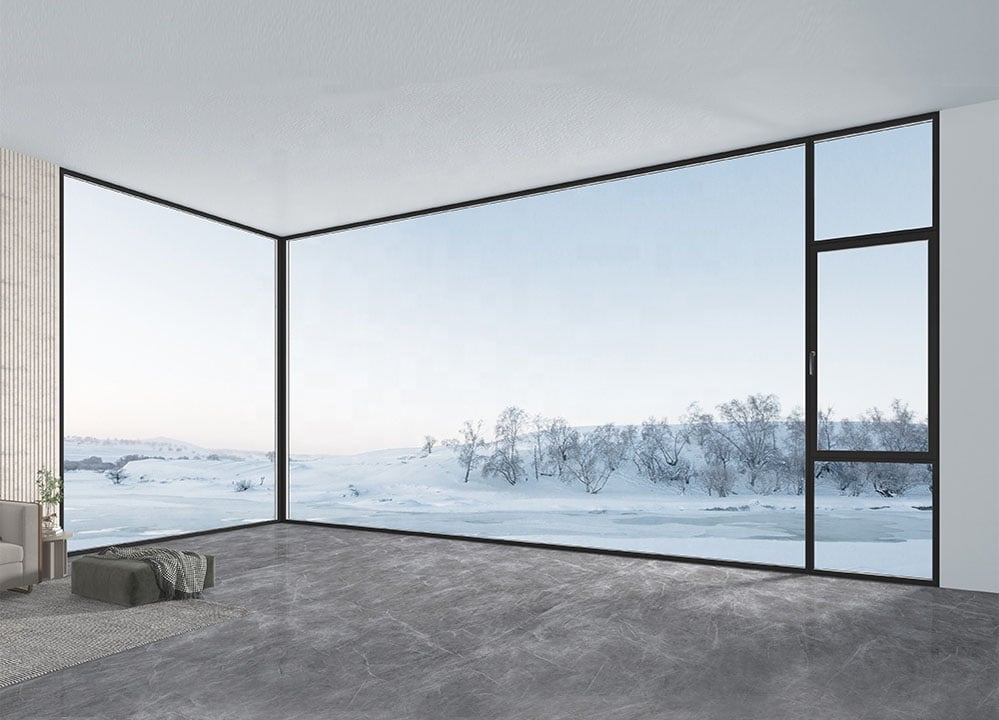
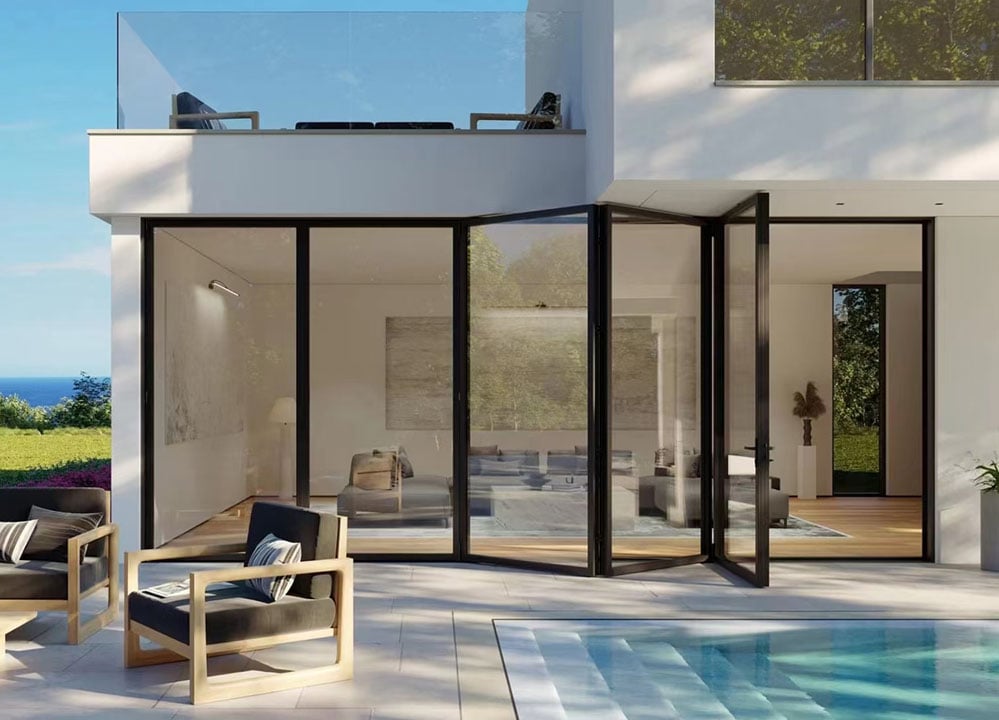

Why Triple Glazing with Warm-Edge Spacers Is a Must-Have for Window Upgrades in the US
From the blizzard-ridden winters of Minnesota to the scorching summers of Arizona, America’s diverse climates place stringent demands on building energy efficiency. In recent years, triple-glazing systems with warm-edge spacers have rapidly gained popularity in both new home constructions and old house renovations, becoming the top choice for window upgrades. What’s the energy-saving secret behind this solution that has won over homeowners across the nation?
First and foremost, it’s essential to clarify that "triple glazing with warm-edge spacers" is not a single product, but a golden combination of "three panes of insulated glass + warm-edge spacers." Compared to traditional double-glazed windows with cold-edge spacers, this combination represents a qualitative leap in thermal insulation. Data from the U.S. Energy Information Administration (EIA) shows that windows equipped with this system can reduce heat transfer efficiency by over 40%. This means that during Chicago’s frigid winters, heating won’t quietly escape through window gaps, and in Houston’s sweltering summers, air conditioners won’t have to work overtime to fend off the outdoor heat.
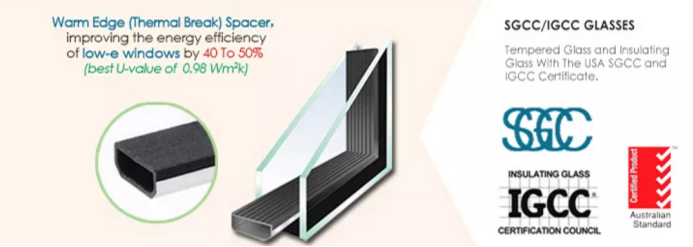
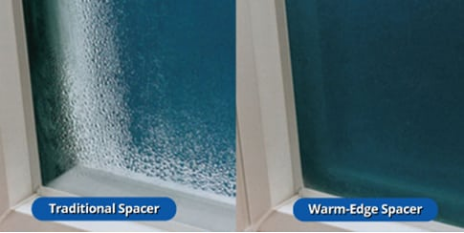
The "warmth" of warm-edge spacers is precisely the key to solving energy consumption problems. Traditional aluminum spacers have high thermal conductivity, which easily creates "cold bridges" in winter, leading to glass condensation and moldy window frames. In summer, they transfer outdoor heat into the room, increasing cooling costs. In contrast, warm-edge spacers made of composite rubber strips, stainless steel, and other materials effectively block heat conduction. When combined with the multiple sound and thermal insulation effects of triple glazing, they turn windows into a true "energy-saving barrier" for buildings. In California, households using this system can save $200 to $500 annually on electricity bills—a worthwhile investment for American homeowners affected by fluctuating energy prices.
Beyond the financial benefits, triple glazing with warm-edge spacers also perfectly aligns with America’s environmental policies and residential needs. Currently, more than 30 states across the country mandate that new homes meet ENERGY STAR energy efficiency standards, and triple-glazing systems with warm-edge spacers are practically a "standard configuration" to meet these requirements. In noisy cities like New York and Los Angeles, the sound insulation advantage of triple glazing is even more favored—it can reduce street traffic noise by over 30 decibels, allowing apartments in busy downtown areas to enjoy a quiet living environment.
The boom in the old house renovation market has further solidified triple glazing with warm-edge spacers as a "must-have." Approximately 60% of residential properties in the U.S. are over 30 years old, and their outdated single or double-glazed windows are no longer up to the task. The renovation experience of Seattle homeowner Mark is typical: "After replacing my windows with triple glazing and warm-edge spacers, my gas bill dropped by 30% that first winter. The condensation on the glass disappeared completely, and even the solid wood floors in my home stopped warping due to moisture."
Notably, the U.S. market prioritizes localized adaptation when selecting triple glazing with warm-edge spacers. Northern regions prefer combinations of low-emissivity (Low-E) coatings and warm-edge spacers to enhance cold resistance, while southern regions focus more on the glass’s shading coefficient, pairing it with warm-edge spacers to achieve heat prevention and energy savings. Many brands also offer customized services to match different architectural styles, such as American retro and modern minimalist, eliminating the need to choose between energy efficiency and aesthetics.
Driven by both the energy crisis and growing environmental awareness, triple glazing with warm-edge spacers is no longer an "optional upgrade" but a "must-have" for American homeowners looking to improve their living quality. It balances energy efficiency, comfort, and cost-effectiveness through technological innovation, setting an "American model" for global building energy efficiency. After all, whether defending against severe cold or extreme heat, a highly energy-efficient window will always be the best "shield" for a home.