EN
EN
 AR
AR
 CS
CS
 DA
DA
 NL
NL
 FI
FI FR
FR
 DE
DE EL
EL
 HI
HI
 IT
IT JA
JA
 KO
KO
 PL
PL PT
PT RU
RU
 ES
ES
 SV
SV
 IW
IW
 ID
ID
 LV
LV
 LT
LT
 SR
SR
 SK
SK
 SL
SL
 UK
UK VI
VI
 ET
ET
 HU
HU
 MT
MT
 TH
TH
 TR
TR
 FA
FA
 MS
MS
 GA
GA
 HY
HY
 UR
UR
 BN
BN
 GU
GU
 TA
TA





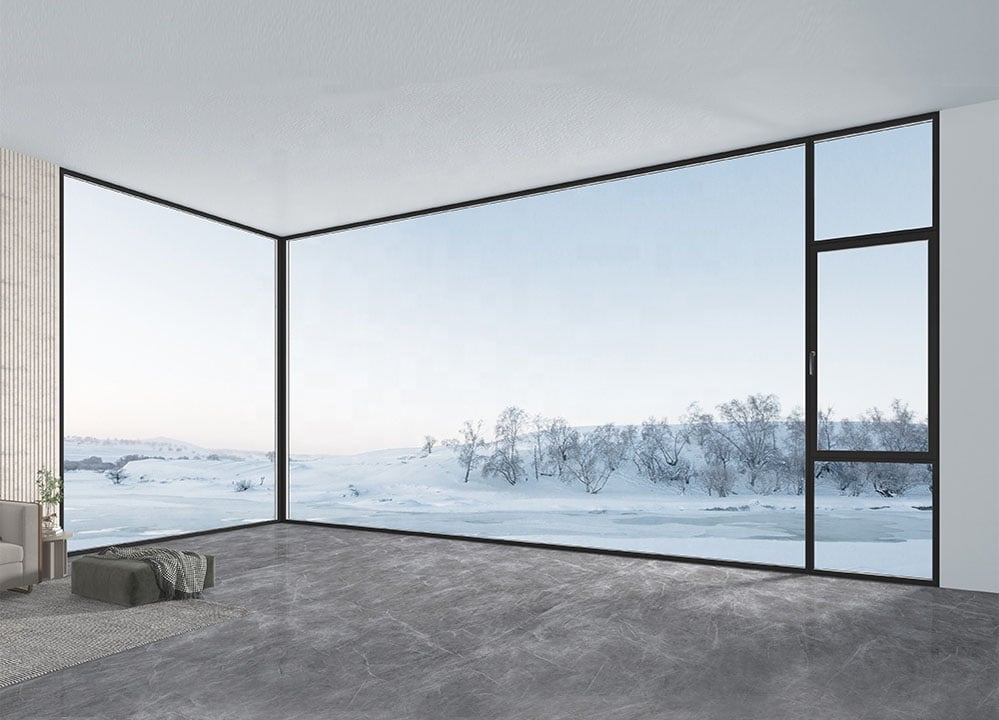



Швидкі способи усунення типових проблем із дверима та вікнами: скрип, ослаблення та незначні подряпини
Двері та вікна — це непомічені герої наших домівок: вони забезпечують нашу безпеку, регулюють температуру та з’єднують внутрішні приміщення зовнішнім світом. Проте з часом навіть найміцніші фурнітурні елементи можуть мати невеликі проблеми: двері, що скриплять кожного разу, коли ви їх відчиняєте, вікно, що не тримається у зачиненому стані, або незначні подряпини, які псують їхній зовнішній вигляд. Але є й гарна новина: вам не потрібно викликати професіонала чи витрачати величезні кошти, щоб усунути ці поширені неприємності. За допомогою кількох простих інструментів та матеріалів, які, швидше за все, вже є у вас вдома, ви зможете швидко відновити двері та вікна до ідеального стану. Нижче ми детально розповімо вам про три найпоширеніші проблеми та покроково опишемо, як їх швидко усунути.
1. Скрипучі двері та вікна: припиніть скрип
Скрипучі двері або вікно — це не лише дратівливо, а й можуть свідчити про те, що тертя з часом пошкоджує петлі або напрямні. Основною причиною майже завжди є недостатнє змащення рухомих частин, хоча накопичення бруду чи сторонніх частинок також може сприяти цьому. Ось як усунути цю проблему за 5 хвилин:
По-перше, очистіть петлі (для дверей) або напрямні (для вікон) сухою ганчіркою, щоб прибрати пил, бруд або забруднення. Якщо є стійке забруднення, скористайтеся невеликою щіткою (наприклад, старою зубною щіткою), щоб почистити його. Далі нанесіть мастило на рухомі частини. Найкращими варіантами є силиконовий спрей, графітовий порошок або навіть вазелін (якщо інших засобів під рукою немає). Для дверних петель розпиляйте або нанесіть краплю мастила на осі петель та на ділянки, де петля з’єднується з дверима й коробкою. Для вікон зосередьте увагу на напрямній, по якій рухається рама, а також на петлі — якщо це відкривне вікно. Кілька разів відкрийте й закрийте двері або вікно, щоб мастило рівномірно розподілилося по деталях — це має негайно припинити скрип. Уникайте використання мастил на основі олії, оскільки вони можуть притягувати більше бруду й з часом погіршувати проблему.
2. Усунення скрипу дверей та вікон: затягніть і зафіксуйте
Розхитані двері та вікна — це не лише незручно, а й можуть погіршувати енергоефективність та безпеку вашого будинку. Розхитані двері можуть провисати, заїдати або неправильно закриватися, а розхитане вікно — дзьобати або пропускати сквозняки. Найпоширенішою причиною є ослаблені гвинти у петлях, ручках або рамах. Ось як це виправити:
Для розхитаних дверей: спочатку перевірте гвинти на петлях і ручці дверей. Якщо гвинти ослаблені, просто затягніть їх отвірткою. Якщо отвори для гвинтів витерті (тобто гвинти не тримаються міцно), заповніть їх деревним наповнювачем або зубочисткою, змоченою в деревному клею. Залиште на 30 хвилин для висихання, потім вставте гвинти назад і затягніть — це надасть гвинтам нову поверхню для надійного утримання. Якщо двері провисають, можливо, доведеться відрегулювати петлі, підклавши підкладку (невеликий шматок дерева або картону) між петлею та рамою, щоб вирівняти двері.
Для провислих вікон: перевірте гвинти на ручці вікна, замках і петлях (для відкриваних вікон). Підтягніть будь-які ослаблені гвинти. Якщо рама вікна провисла й дзижчить, перевірте ущільнювач — якщо він зношений або пошкоджений, замініть його новим ущільнювачем, щоб забезпечити щільне прилягання. Для рухомих вікон ретельно очистіть напрямну (сміття може спричиняти відчуття провисання вікна) та відрегулюйте гвинти роликів у нижній частині рами, щоб вона плавно ковзала й залишалася на місці.
3. Невеликі подряпини: приховати та відновити
Невеликі подряпини на дверях (особливо дерев’яних) та вікнах (алюмінієвих або вінілових) неминучі — їх можуть спричинити домашні тварини, меблі або повсякденне використання. Хоча вони не впливають на функціональність, такі пошкодження можуть надавати вашим вбудованим елементам зношеного вигляду. Спосіб усунення залежить від матеріалу, але для всіх типів він простий і доступний:
Для дерев’яних дверей: для легких подряпин (які не проникають крізь оздоблення) використовуйте маркер для фарбування дерева, що відповідає кольору ваших дверей. Просто зафарбуйте подряпину, а потім витріть зайвий фарбувальний матеріал чистою ганчіркою. Для трохи глибших подряпин нанесіть невелику кількість деревного шпаклівки, що відповідає кольору дверей, зачекайте, поки вона повністю висохне, потім відшліфуйте її до рівної поверхні дрібнозернистою наждачною паперою й додатково замаскуйте маркером для фарбування дерева. Це зробить подряпину майже непомітною.
Для алюмінієвих або вінілових вікон: використовуйте фарбу для локального ремонту, що відповідає кольору вікна (більшість виробників пропонують спеціальні набори для локального ремонту). Протріть ділянку навколо подряпини вологим рушником й зачекайте, поки вона повністю висохне. Нанесіть тонкий шар фарби на подряпину, дайте їй повністю висохнути й, за потреби, нанесіть другий шар. Для дуже легких подряпин на вінілі також можна скористатися тепловим пістолетом (на низькій потужності), щоб обережно прогріти ділянку — це сприяє розширенню вінілу й зменшенню видимості подряпини.
Остаточні поради для тривалих результатів
Щоб запобігти повторенню цих поширених проблем, кілька разів на рік приділяйте кілька хвилин обслуговуванню дверей і вікон: змащуйте петлі й напрямні, підтягуйте ослаблені гвинти та регулярно очищайте поверхні. Для дерев’яних дверей наносіть новий шар захисного покриття кожні 1–2 роки, щоб захистити їх від подряпин і зносу. Щодо вікон — щорічно перевіряйте ущільнювальні елементи (прокладки) та замінюйте їх у разі пошкодження; це також сприятиме підвищенню енергоефективності.
Завдяки цим швидким рішенням ви зможете зекономити час і гроші, а також зберегти двері й вікна в ідеальному зовнішньому вигляді та працездатному стані. Пам’ятайте: більшість невеликих несправностей не вимагають втручання фахівця — трохи терпіння й правильні інструменти дозволять вам самостійно виконувати ремонтні роботи вдома (незалежно від вашої статі)!