EN
EN
 AR
AR
 CS
CS
 DA
DA
 NL
NL
 FI
FI FR
FR
 DE
DE EL
EL
 HI
HI
 IT
IT JA
JA
 KO
KO
 PL
PL PT
PT RU
RU
 ES
ES
 SV
SV
 IW
IW
 ID
ID
 LV
LV
 LT
LT
 SR
SR
 SK
SK
 SL
SL
 UK
UK VI
VI
 ET
ET
 HU
HU
 MT
MT
 TH
TH
 TR
TR
 FA
FA
 MS
MS
 GA
GA
 HY
HY
 UR
UR
 BN
BN
 GU
GU
 TA
TA

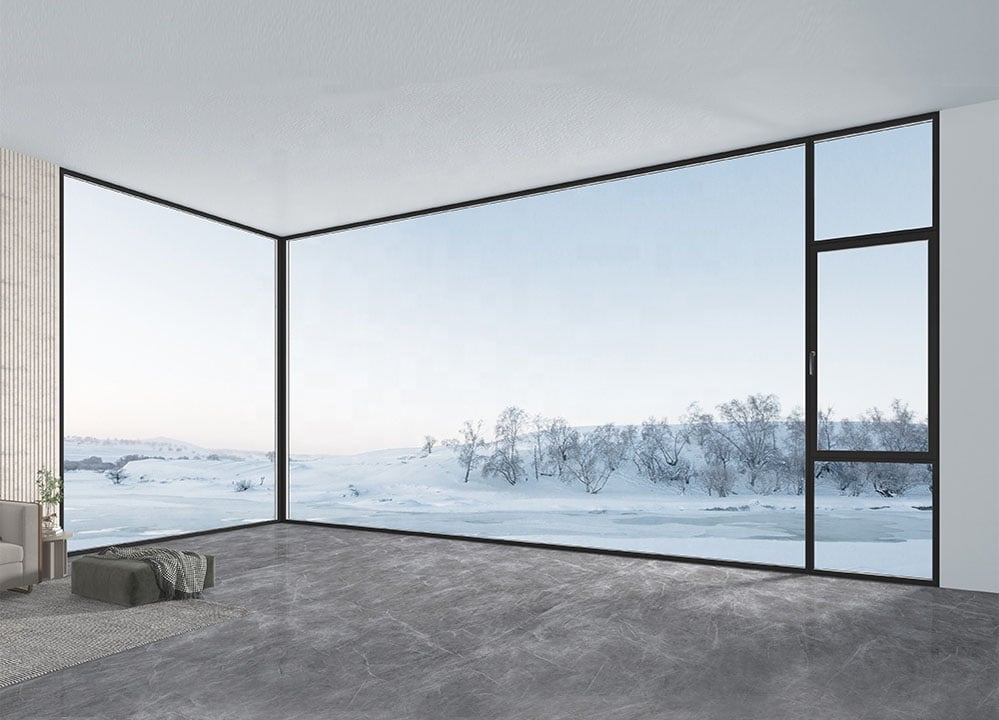

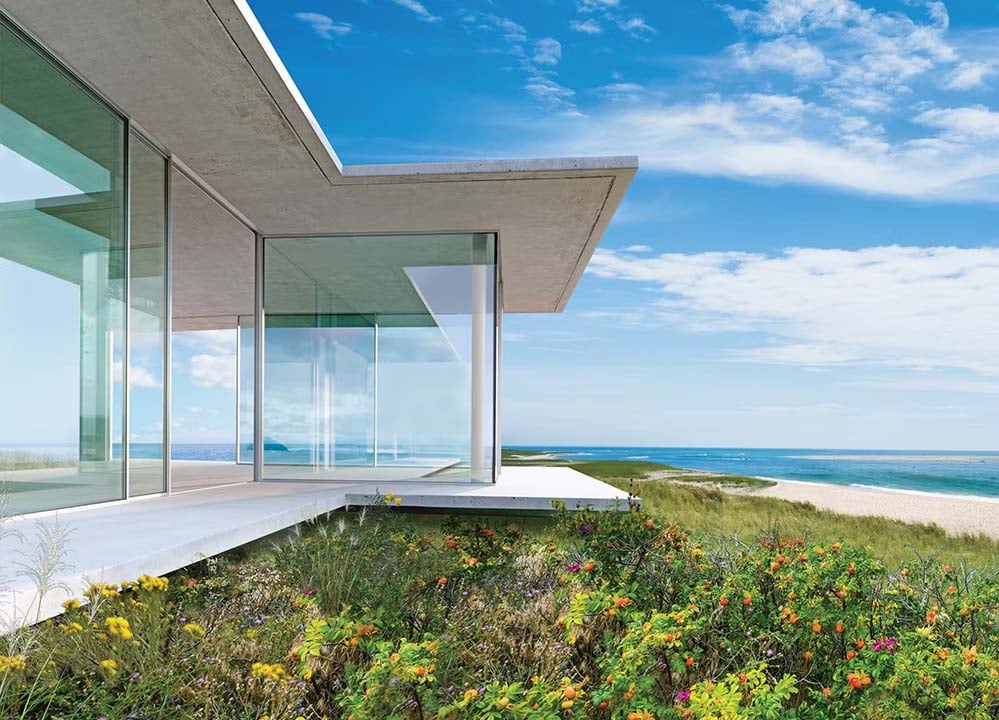

Kasırga Tehlikesi Olan ABD Eyaletleri İçin Darbeye Dayanıklı Cam Nasıl Seçilir
Florida, Teksas ve Karolinalar gibi kasırga riski olan ABD eyaletlerinde yaşayan ev sahipleri için doğru darbeye dayanıklı camı seçmek sadece mülk koruması açısından değil, aynı zamanda birçok bölgede yasal bir gereklilik olma özelliğine de sahiptir. Kasırgalar yıkıcı rüzgarlar, havada uçan enkazlar ve aşırı basınç değişimleri getirerek sıradan camı büyük bir güvenlik tehlikesine dönüştürür. Bu kılavuz, darbeye dayanıklı cam seçerken dikkate almanız gereken temel faktörleri açıklamaktadır ve böylece güvenliği, yasal uyumu ve uzun vadeli değeri dengelemenize yardımcı olur.
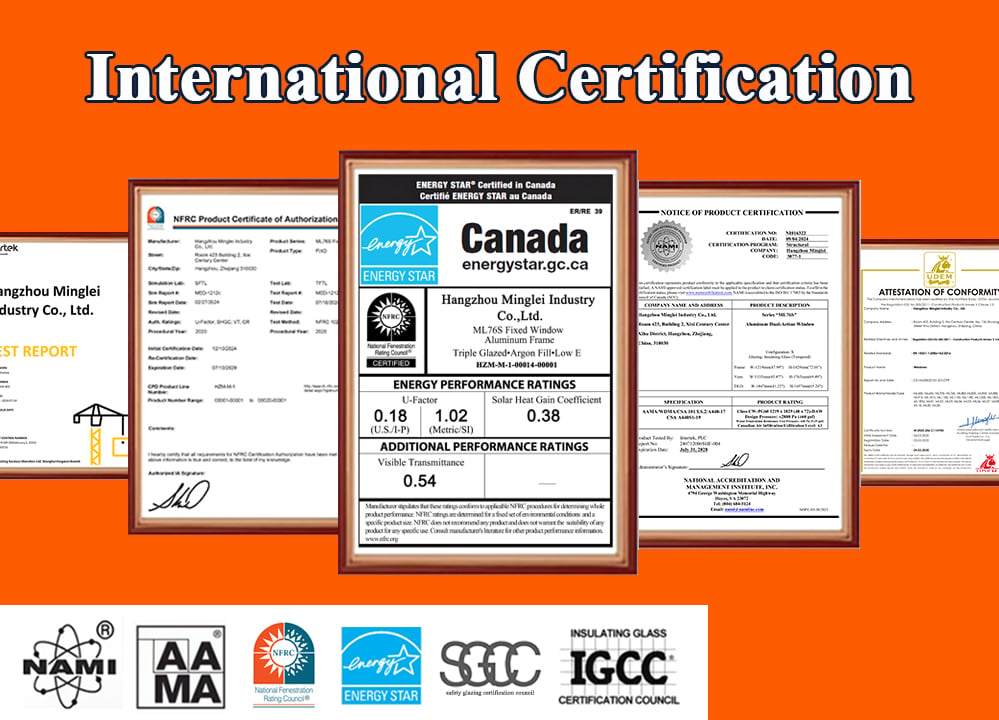
İlk olarak, sıkı endüstri sertifikasyonlarına uyan ürünleri önceliklendirin. ABD'de darbeye dayanıklı camlar için en yetkili standart ASTM E1886/E1996'dır ve bu standart, cama rüzgarla taşınan enkaz ve döngüsel rüzgar basıncına karşı direncini test eder. 'Darbeye Dayanıklı' veya 'Kasırga Dirençli' etiketi taşıyan ve Miami-Dade County Ürün Kontrol Bölümü'nden ek onay almış camları tercih edin—bu onay kasırga bölgelerinde yaygın olarak tanınmaktadır. Standart temperli camın kasırga seviyesindeki enkaz darbelerine dayanamayacağı için yalnızca 'temperli cam' olduğunu iddia eden ürünlerden kaçının.
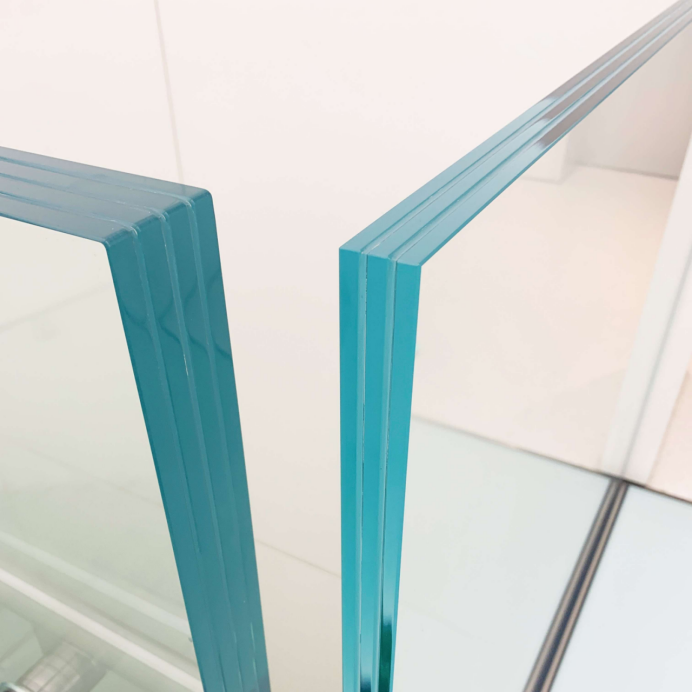
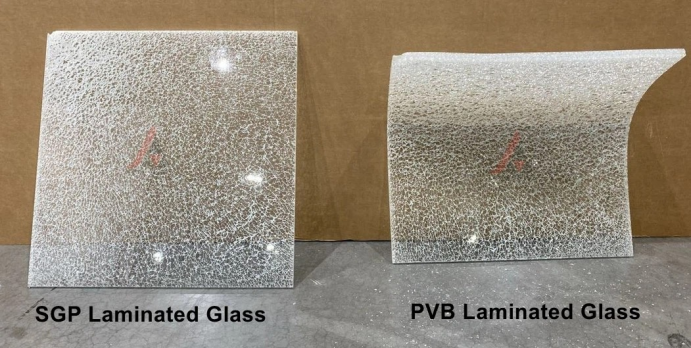
Darbe dirençli camın iki ana türünü anlayın. Lamine edilmiş darbe camı, en yaygın seçenek olup, genellikle PVB veya SGP olan dayanıklı bir ara katmanla birbirine bağlanmış iki veya daha fazla cam katmandan oluşur. Cam kırılsa bile, ara katman parçaların yerinde kalmasını sağlayarak nüfuz etmeyi önler. Yüksek ısı işlemiyle takviye edilmiş temperli darbe camı, artırılmış mukavemet sunar ancak daha hafif kasırga bölgeleri için daha uygundur. Güney Florida gibi yüksek riskli bölgelerde, SGP ara katmanlı cam, üstün yırtılma direnci ve dayanıklılığı nedeniyle önerilir.
İklim koşullarına özel performans metriklerini göz önünde bulundurun. Rüzgar basıncı direnci (psf olarak ölçülür) bölgenizin kasırga şiddetine uygun olmalıdır — kıyı bölgeler genellikle 90-150 psf aralığında değer gerektirir. Ayrıca, enerji verimliliğini artırmak için düşük yayılım (Low-E) kaplamalarına dikkat edin, çünkü darbeye dayanıklı camlar daha ağır ve daha az yalıtımlı olabilir. Argon gazıyla doldurulmuş yalıtımlı üniteler, kasırga bölgelerinde sıcak ve nemli yaz aylarında soğutma maliyetlerini düşürerek ısı transferini daha da azaltır.
Yüklenici ve çerçeve uyumluluğunu göz ardı etmeyin. Darbeye dayanıklı camlar, etkili bir şekilde çalışabilmek için takviyeli çerçevelere (alüminyum veya vinil) ve sağlam donanıma bağımlıdır. Yüklenicinizin üretici yönergelerini takip ettiğinden emin olun, çünkü yanlış montaj camın darbe direncini geçersiz kılabilir. Mevcut evler için, camın ağırlığını taşıyacak yapısal ayarlamaların gerekli olup olmadığını doğrulayın.
Maliyet ile uzun vadeli faydalar arasında denge kurun. Darbeye dayanıklı cam, sıradan camdan başlangıçta %20-50 daha fazla maliyet getirse de, kasırga panjurlarına olan ihtiyacı ortadan kaldırır ve hasar onarım maliyetlerini azaltır. Birçok sigorta şirketi ayrıca sertifikalı darbeye dayanıklı cam takılan evler için prim indirimi (yüzde 25'e varan oranlarda) sunar ve bu da başlangıçtaki yatırımın zaman içinde karşılanmasına yardımcı olur.