EN
EN
 AR
AR
 CS
CS
 DA
DA
 NL
NL
 FI
FI FR
FR
 DE
DE EL
EL
 HI
HI
 IT
IT JA
JA
 KO
KO
 PL
PL PT
PT RU
RU
 ES
ES
 SV
SV
 IW
IW
 ID
ID
 LV
LV
 LT
LT
 SR
SR
 SK
SK
 SL
SL
 UK
UK VI
VI
 ET
ET
 HU
HU
 MT
MT
 TH
TH
 TR
TR
 FA
FA
 MS
MS
 GA
GA
 HY
HY
 UR
UR
 BN
BN
 GU
GU
 TA
TA


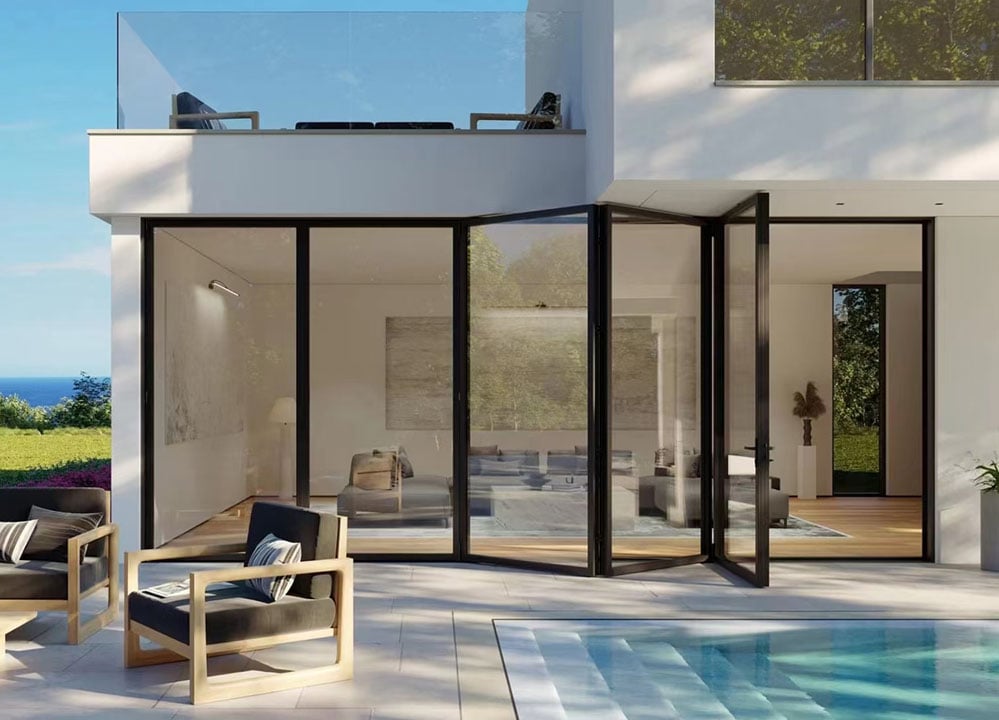
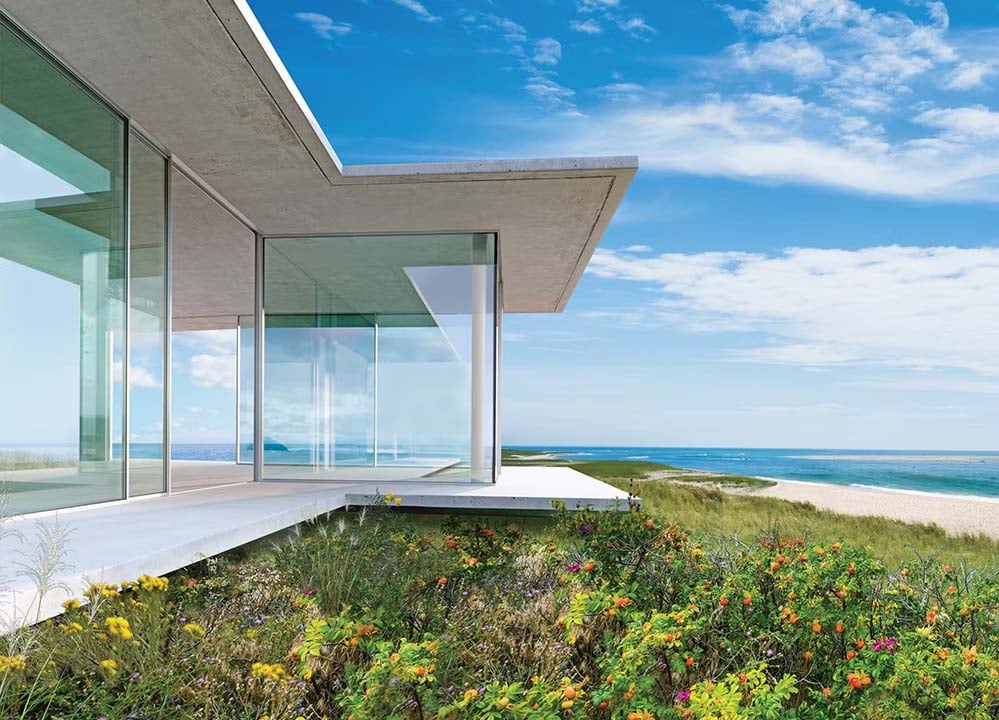

Szklane panele przyjazne ptakom: harmonijne połączenie architektury i ochrony ekologicznej
W nowoczesnym krajobrazie miejskim ściany oszkleniowe błyszczą jasno, łącząc wnętrze i zewnętrze budynków oraz podkreśляjąc piękno minimalizmu w projektowaniu. Jednak za tą elegancją kryje się niewidzialne zagrożenie dla ptaków — każdego roku miliardy ptaków na całym świecie giną w wyniku zderzeń ze szkłem przezroczystym lub odbijającym. W miarę jak rośnie świadomość ekologiczna, szkło przyjazne ptakom staje się kluczowym rozwiązaniem, łącząc estetykę architektoniczną z ochroną środowiska i pisząc nowy rozdział współistnienia ludzi i natury.
Główną przyczyną zderzeń ptaków ze szkłem jest unikalna percepcja wzrokowa ptaków. W przeciwieństwie do ludzi ptaki nie potrafią rozpoznać szkła jako fizycznego barieru. Przezroczystość szkła tworzy tzw. „warunek przeleci-przez”, w wyniku czego ptaki błędnie zakładają, że przed nimi znajduje się nieprzeszkodzona ścieżka prowadząca do nieba lub roślinności po drugiej stronie szyby. Tymczasem odbijająca natura szkła powoduje tzw. „warunek odbitego siedliska”, odbijając drzewa, chmury i inne krajobrazy naturalne, co dezorientuje ptaki i sprawia, że lecą prosto w powierzchnię szkła. Dodatkowo tzw. „efekt czarnej dziury”, wywołany szczególnymi warunkami oświetlenia, sprawia, że szkło wydaje się ciemną jamą, co jeszcze bardziej zwiększa ryzyko zderzeń. Zjawiska te występują przez cały dzień, w każdym sezonie oraz przy każdych warunkach pogodowych, stając się cichym zabójcą populacji ptaków na całym świecie.
Szklane bezpieczne dla ptaków, znane również jako szkło przyjazne dla ptaków, rozwiązuje ten problem poprzez nanoszenie widocznych znaczników, które ptaki potrafią wykryć, zachowując przy tym przeźroczystość i wartość estetyczną szkła. Istnieje wiele rodzajów tego specjalistycznego szkła, z których każdy oferuje unikalne zalety. Na przykład szkło fritowane wykorzystuje farbę ceramiczną spawaną z powierzchnią szkła w celu utworzenia regularnych wzorów, które nie tylko ostrzegają ptaki, ale także nie zakłócają wpływu naturalnego światła. Szkło trawione kwasem tworzy gładkie, nieporowate wzory za pomocą obróbki kwasem fluorowodorowym, zmniejszając odbijalność szkła bez obniżania jego przepuszczalności światła. Szkło trawione laserem – bardziej przyjazna dla środowiska alternatywa – wykorzystuje procesy niekorzystające substancji żrących do tworzenia subtelnych wzorów, które są praktycznie niewidoczne dla ludzi z wnętrza budynku, ale wyraźnie widoczne dla ptaków.
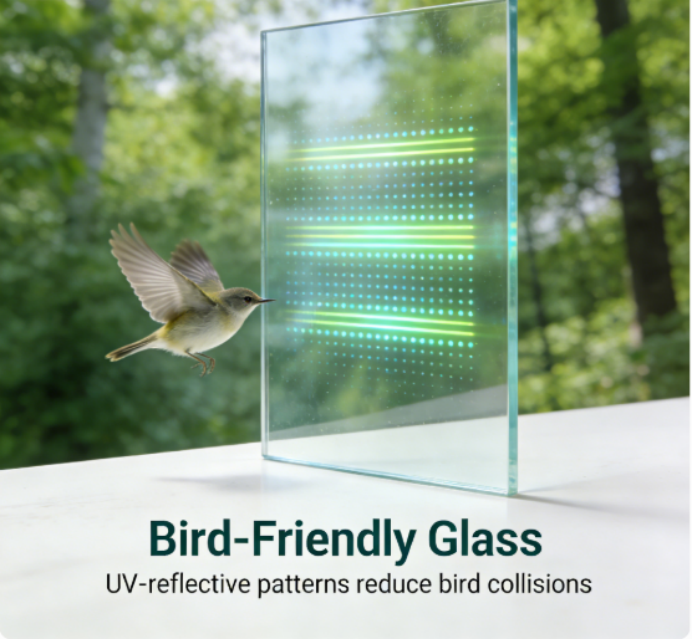
Oprócz podstawowej funkcji zapobiegania kolizjom ptaków szkło przyjazne dla ptaków charakteryzuje się również doskonałą wydajnością energetyczną. Wiele produktów łączy bezpieczne dla ptaków wzory ze współczynnikiem przepuszczalności ciepła (low-e), które zmniejszają napływ ciepła słonecznego latem i zapewniają zatrzymanie ciepła w pomieszczeniach zimą, poprawiając efektywność energetyczną budynku. Ta podwójna zaleta czyni je popularnym wyborem zarówno w budownictwie komercyjnym, jak i mieszkaniowym. Na przykład szkło Bird Smart® firmy Vitro integruje laserowo trawione wzory z powłokami kontrolującymi promieniowanie słoneczne, osiągając jednocześnie ochronę ptaków i oszczędność energii. Szkło AviProtek® firmy Walker Glass, opracowane we współpracy z firmą Vitro, łączy wzory trawione kwasem z wysokiej klasy powłokami low-e, zapewniając równowagę między odpowiedzialnością ekologiczną a funkcjonalnością architektoniczną.
Promocję szkła przyjaznego dla ptaków wspierają również rosnące światowe przepisy prawne. W Ameryce Północnej miasta takie jak San Francisco, Toronto i Nowy Jork wprowadziły standardy budynków bezpiecznych dla ptaków, wymagające stosowania szkła przyjaznego dla ptaków w nowych budynkach. Stowarzyszenie Producentów Szkła (NGA) oraz Kanadyjska Organizacja Standardów (CSA) opracowały również wytyczne, w których zaleca się zastosowanie znaczników na pierwszej powierzchni jako najbardziej niezawodnej metody zapobiegania uderzeniom ptaków w szyby. Przepisy te nie tylko chronią populacje ptaków, ale także sprzyjają rozwojowi zielonej architektury.
W dążeniu do zrównoważonej przyszłości każda decyzja architektoniczna ma znaczenie ekologiczne. Szkło przyjazne ptakom to nie tylko materiał budowlany – jest to wyraz szacunku człowieka dla natury. Dowodzi, że można osiągnąć równowagę między piękniem architektonicznym a ochroną ekologiczną, nie poświęcając jednego na rzecz drugiego. Niezależnie od tego, czy chodzi o wysoki budynek komercyjny, osiedle mieszkaniowe czy obiekt użyteczności publicznej, zastosowanie szkła przyjaznego ptakom to mały krok w architekturze, ale duży krok w kierunku ochrony różnorodności biologicznej.
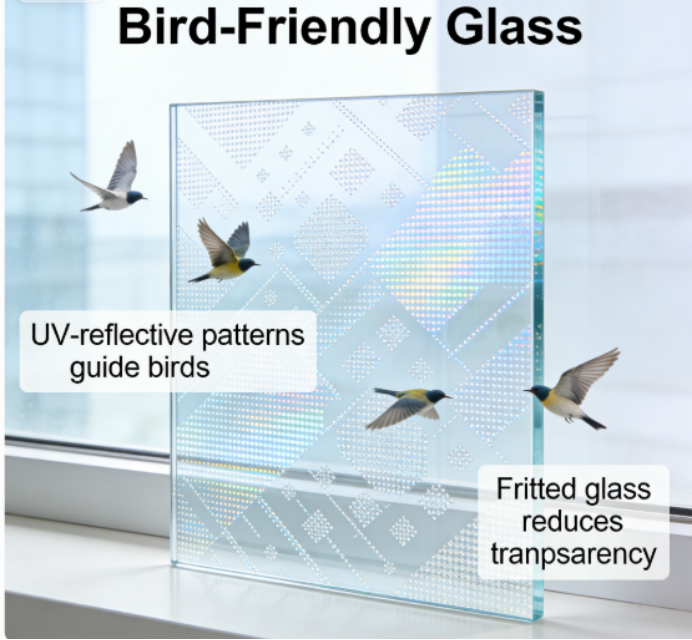
Przyjmijmy ten innowacyjny materiał, dzięki któremu ściany osłonowe ze szkła przestaną stanowić zagrożenie dla ptaków i staną się oknem, przez które człowiek i natura będą mogły współistnieć w harmonii. Na styku architektury i ekologii szkło przyjazne ptakom oświetla drogę ku bardziej zrównoważonej i pełnej współczulności przyszłości miast.