EN
EN
 AR
AR
 CS
CS
 DA
DA
 NL
NL
 FI
FI FR
FR
 DE
DE EL
EL
 HI
HI
 IT
IT JA
JA
 KO
KO
 PL
PL PT
PT RU
RU
 ES
ES
 SV
SV
 IW
IW
 ID
ID
 LV
LV
 LT
LT
 SR
SR
 SK
SK
 SL
SL
 UK
UK VI
VI
 ET
ET
 HU
HU
 MT
MT
 TH
TH
 TR
TR
 FA
FA
 MS
MS
 GA
GA
 HY
HY
 UR
UR
 BN
BN
 GU
GU
 TA
TA

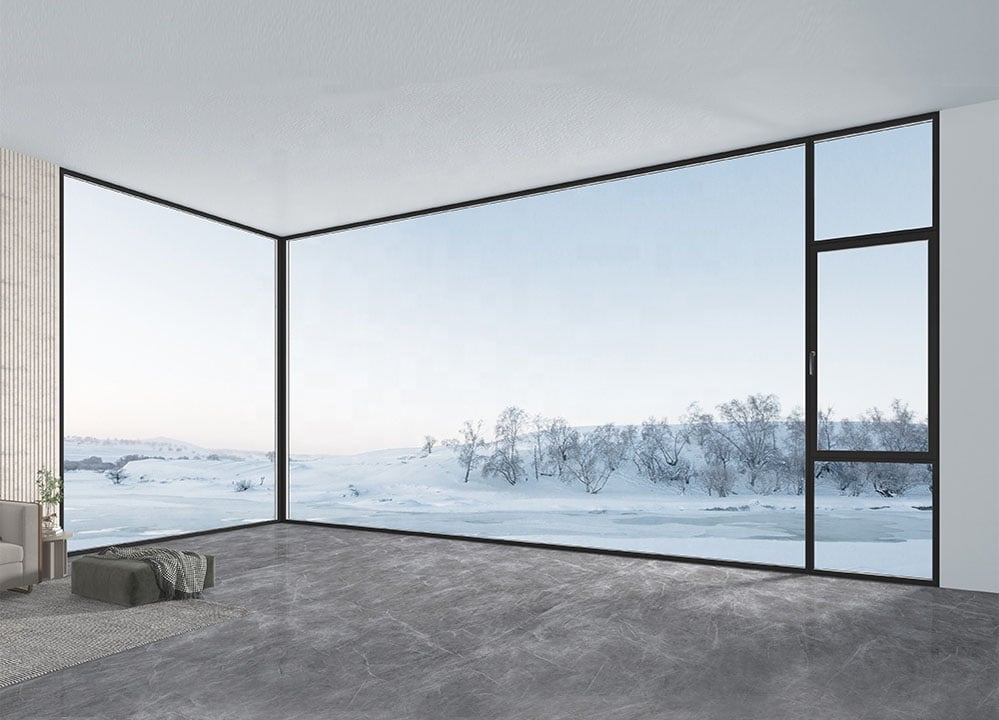
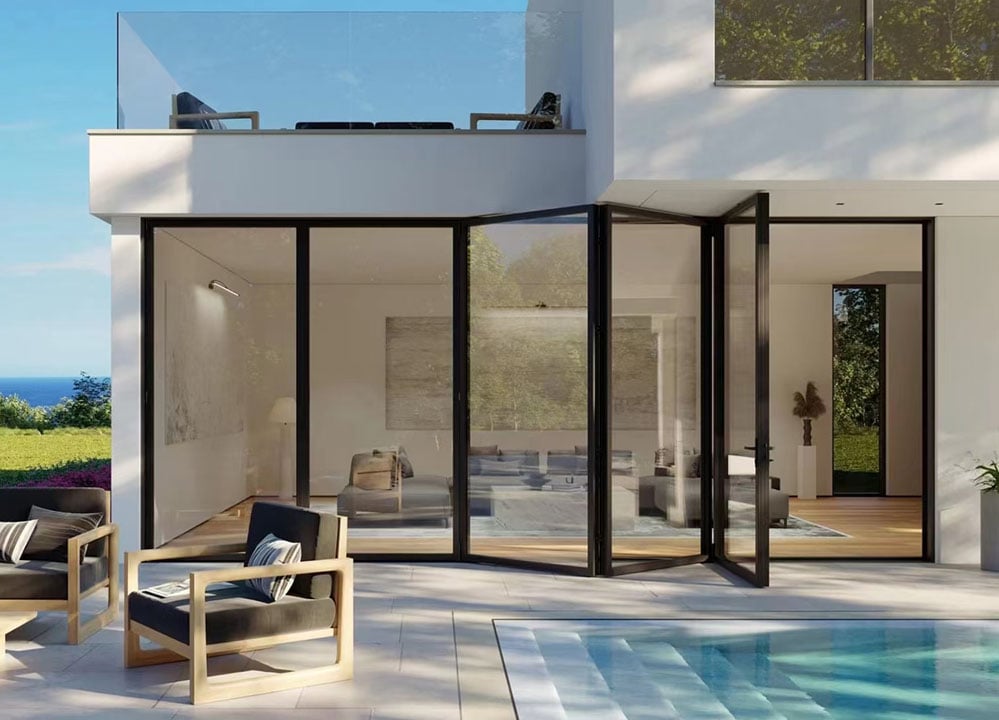
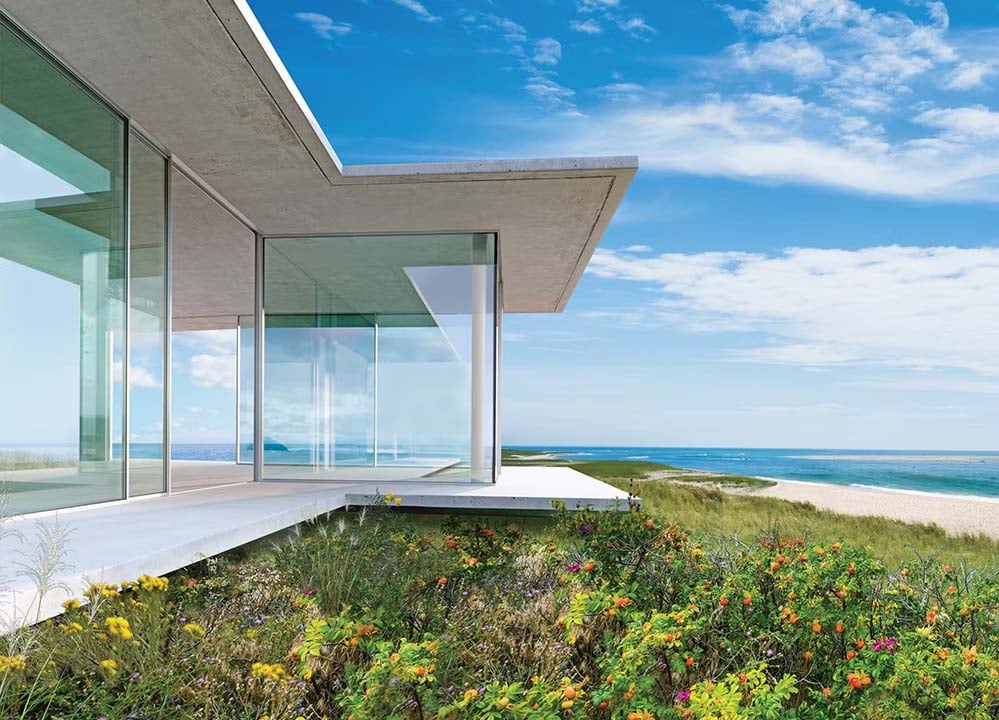

Kif Tagħżel l-Ikjar Materjal għall-Windows: Tiftix Profond fi Vinyl, Alluminju b’Tibdil Termiku u Alluminju rivestit bil-Ġidra
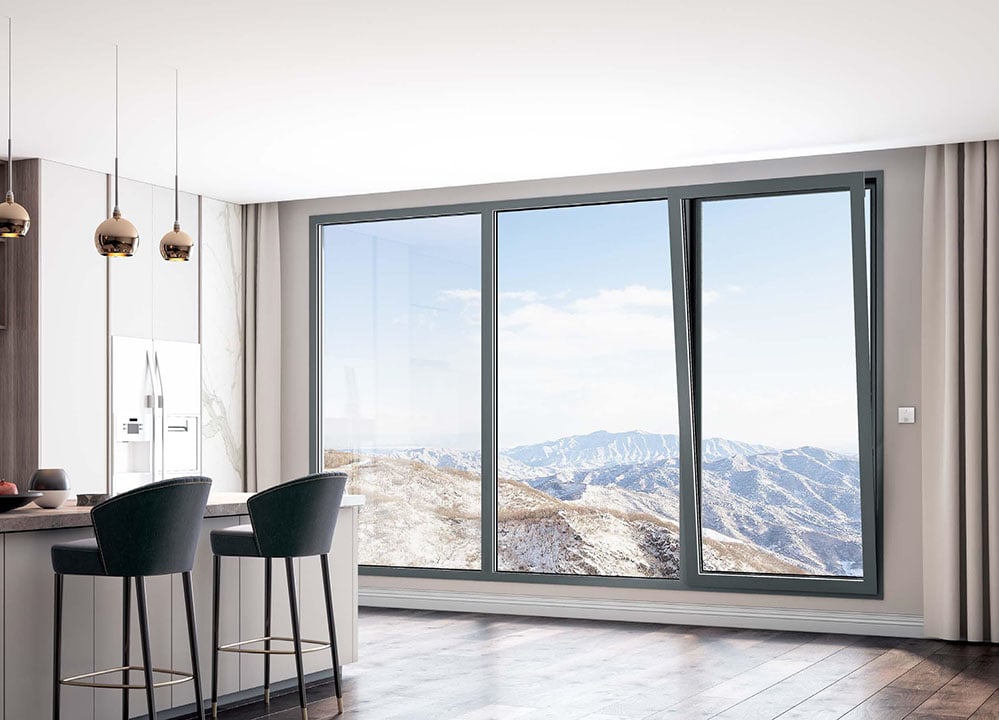
Tagħżil tieqiet ġodda għad-dar tiegħek jinvolve deċiżjoni kritika: il-materjal tal-korniċi. Din il-għażla hija fil-qalb tal-estetika tad-dar tiegħek, il-konsum tal-enerġija, id-durabbiltà u l-budġet. B’hekk ħafna varjetajiet, kif tinsab l-ebda bilanċ? Dan il-ġwid jipprovdi analisi fokata tat-tliet materjali prominenti: il-vinil ekonomiku Fenestra ta' Vini , l-alluminju b’tarf termiku teknoloġikament avvanzat Tieqa tal-alluminju b’tarf termiku , u l-premium Tieqa tal-ħaġar sklat bi alluminju , biex tagħmel għażla infurmat.
Analisi Detalljata tal-Materjal
1. Tieqiet ta’ Vinil
It-tieqiet ta’ vinil (jew uPVC), magħmulin minn materjal PVC, huma għażla dominanti għall-valur straordinarju tagħhom.
Avantatži riżultanti:
Valur Eksepzjonal: Tipikament l- b’iktar baxx kost inizjali għażla disponibbli fil-merkat.
Effiċjenza Enerġetika Ekċellenti: Il-PVC huwa konduttur skars tal-ħames. Id-disinni multi-kamera tal-kostruzzjoni jirrifjaw b’effikaċja t-trasferiment termiku, li jgħinu biex tinbnu t-tajjiet tas-seħħ u t-tiswija.
Baxx Ħafna fl-Iżbal: M’jeħtieġ ebda pintjura jew sigillar. Pulizzjar sempliċi suffiċjenti, u jirrifja kurrusjoni u umdità.
Garanzija Qawwija: Spiss il-manifatturi jipprovdu garanziji kompletas u b’tul-il-perjodu.
Kunsiderazzjonijiet:
Qawwa u Estetika: Mhux tant qawwija bħall-ilma. L’apparenza tista' tkun funzjonali, u l-għażliet tal-kulur, għalkemm varjati, huma ffissati (m’jiżżewx jerġgħu jipprentjaw).
Espansjoni/Kontrazzjoni: Tista' tespanji jew tikkontraċti minimament taħt bidla estremi tat-temperatura.
Ideali għal: Ħnejn li jippreżżjaw effiċjenza ekonomika, mantenniment baxx, u effiċjenza enerġetika. Għażla standard u affidabbli għal dar moderna aktarx.
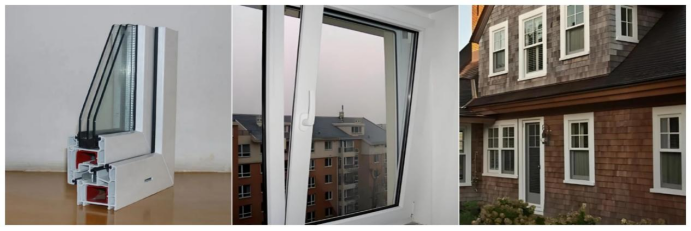
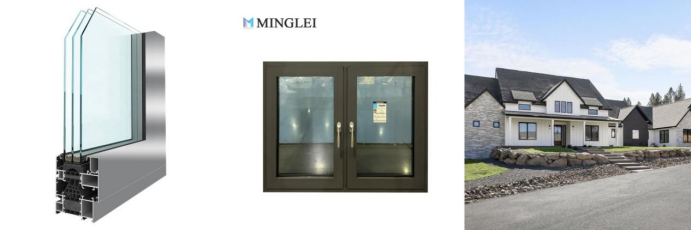
2. Finstri ta’ Alluminju b’Ferqa Termika
Din hija verżjoni iżviluppata tal-finestri tradizzjonali ta’ alluminju, iddisinjati biex jitħaddu bil-punt ewlieni tagħhom.
It-Teknoloġija Ewlenija – Ferqa Termika: Barriera mhux konduttiva (spiss strixxa ta’ poliamide) tinsab bejniż-il profili tal-alluminju interni u esterni. Din il-"ferqa" tuqatfu trasferiment tal-ħosra drammatikament, ittrasforma l-prestazzjoni tal-insulament tal-fenster.
Avantatži riżultanti:
Qawwa u Durabbiltà: L-alluminju huwa qawwi ħafna, resistent għall-kondizzjonijiet meteo, u m’se jwirrex, m’se jakkużx jew imbagħad jiżruq.
Estetika u Xejn Moderni: Il-kerrijiet jistgħu jiġu ingenjarjati bħaldaqstanti minqaż, li jippermiti ħafna aktar dejjem ta' kristal u massimizzazzjoni tal-viżuti u n-nur naturali, ideali għal disinn kontemporaneu.
Personalizzazzjoni Ekċellenti: Disponibbli f'varja estensiva ta' finijiet u kuluri koperti b'powder.
Solves the Efficiency Issue: Id-disinn tal-thermal break jipprovża prestazzjoni ta' isolament li taqs id-daqs tal-alluminju standard.
Kunsiderazzjonijiet:
Prezz Għoli: Iktar espensiv minn fenjani tal-vinil.
Pesa: Iktar pesant minn vinil.
Ideali għal: Dar stili moderni, minimalisti jew industriali li jixtiequ massimu tal-kristall, integrità strutturali, u effiċjenza enerġika imqassma. Din hija r-rakkomandazzjoni preferita tagħna biex tibbilanċja qawwa eleganti ma prestazzjoni termali moderna.
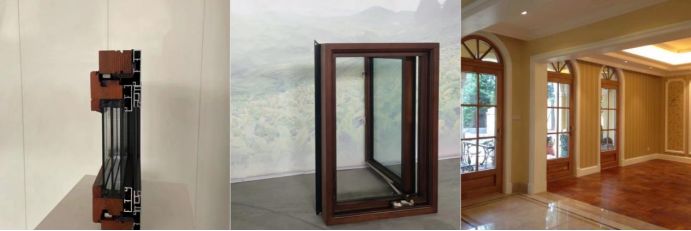
3. Fenestri ta’ Wood meklu b’Aluminju
Din il-kategorija tirrappreżenta l-tier għolja, kombinazzjoni perfetta ta’ materjali żewġija għal prestazzjoni ottimali.
Struttura Ewlenija: In-naħa interna hija f’xiġar naturali, li tikkupra bellezza klassika. Il-parti esterna hija mgħobbja f’shell protettiv ta’ aluminju personalizzat fil-kulur.
Avantatži riżultanti:
Estetika Doppja: In-naħa interna tippermett il-ħarqa, l-aspett klassiku u prezzjuż ta’ xiġar vera, li tista’ tintbagħat jew tintixxar. Il-parti esterna tippermett id-durabbiltà u l-linja ċar tal-aluminju.
Effiċjenza Enerġetika Superjuri: Ix-xiġar huwa isolant naturali eċċellenti, li joffri prestazzjoni termali eċċellenti.
Longevità: Il-ġilwa tal-alluminju tipprowdixxi l-kore tal-ħaġar minn xita, rajji UV, u korrożjoni, kompli jit-tulja s-sena tat-tieqa.
Kunsiderazzjonijiet:
Investiment Inizzjali Għoli: Waħda mill-għażliet iktar kostużi disponibbli.
Meħtieġa Manutenzjoni tal-Interni: Il-wiċċ tal-ħaġar intern għandu għal darba darba meħtieġa manutenzjoni (pintjar jew sigillar).
Ideali għal: Dar tad-dar tradizzjonali, klassika jew moderna għolja fejn il-budżit huwa sekondarju rispettivament għall-estetika eternali, l-isolament l-iktar effiċjenti, u investiment fit-tul fil-kwalità.
Kif Tagħmel Id-Deċiżjoni Finali Tiegh?
M'hemm ebda soluzzjoni universali, biss il-għażla l-aktar tajba għas-situazzjoni speċifika tiegħek. Segwi dawn il-passi:
Identifika l-Prijorità Tiegħek l-Iktar B’tajba (Huwa l-budżit, estetika speċifika, effiċjenza massima, jew manutenzjoni minimi?)
Ikkunsidra l-Klima Tiegħek:
Klimi Friġi: Ippriorizza valur ta' insulament (Wood li ġie kkulurjat bil-Alwann > Vinyl ≈ Alluminju b'Thermal Break).
Klimi Sħaħ / Umdi jew Kosta: Ippriorizza resistenza għall-Weather u Korrosjoni (Alluminju b'Thermal Break > Vinyl > wood kkulurjat b'mod korrett).
Ikkomplimenti l-Istil Arkitoniku tat-Dar Tiegħek: Assikura li l-aspett tal-windows ikkomplimenti l-disen tal-dar tiegħek.
Evalua l-Kulur Totali tal-Proprietà: Ikkunsidra mhux biss il-prezz tal-akkwist, iżda wkoll il-wisa' ta' saħħa mistennija, il-ħolom fil-enerġija, u l-ispiżi taż-żgħira b'tul il-ħin.
L-Aħħar, Il-Karigiżma Pass : Irrispettivament mill-materjal li tikkieku, l-installazzjoni professjonali minn kontrattista reputabbli hija obbligatorja. Installazzjoni skarja tista' tneħħi kollha l-benefiċċji ta' fenku preżżjuż.
Nisperj li dan il-ġwid dettaljat jgħin biex tikkjarizzar il-komuni tiegħek. Billi tivvaluta dawn iż-żoni b’attenzjoni, tista' tinvesti b’konfidenza f’fenki li jipprovdu komditaj, beltaj u effiċjenza għal diversi deċennji komjuni.