EN
EN
 AR
AR
 CS
CS
 DA
DA
 NL
NL
 FI
FI
 FR
FR
 DE
DE
 EL
EL
 HI
HI
 IT
IT
 JA
JA
 KO
KO
 PL
PL
 PT
PT
 RU
RU
 ES
ES
 SV
SV
 IW
IW
 ID
ID
 LV
LV
 LT
LT
 SR
SR
 SK
SK
 SL
SL
 UK
UK
 VI
VI
 ET
ET
 HU
HU
 MT
MT
 TH
TH
 TR
TR
 FA
FA
 MS
MS
 GA
GA
 HY
HY
 UR
UR
 BN
BN
 GU
GU
 TA
TA





Installation of Lift-and-Slide Doors: A Practical Guide for Modern Homes
Lift-and-slide doors have become a popular choice in contemporary residential and commercial architecture due to their large glass surfaces, smooth operation, and excellent thermal performance. However, their installation is significantly more technical than standard sliding or hinged doors. Proper installation is critical to ensure smooth lifting mechanics, airtight sealing, and long-term durability.
This article explains how lift-and-slide doors are installed, what makes them different, and the key factors professionals consider during the process.
1. What Is a Lift-and-Slide Door?
A lift-and-slide door is a high-performance sliding system where the sash first lifts slightly off the frame track before moving horizontally. When closed, the door lowers back down, compressing seals for improved airtightness and insulation.
Key advantages include:
Very large glass panel capability
Superior sealing performance compared to standard sliding doors
Smooth, low-effort operation despite heavy weight
High resistance to air and water infiltration
2. Pre-Installation Requirements
Before installation begins, several critical conditions must be verified:
Structural opening accuracy
The rough opening must be:
Perfectly level
Square within tight tolerances
Structurally reinforced to support heavy loads
Even minor deviations can cause operational failure in lift-and-slide systems.
Load-bearing considerations
These doors are heavy, often exceeding:
150–400 kg per panel (depending on size and glazing)
Proper lintel and floor reinforcement is essential.
Waterproofing and drainage planning
A well-designed sill system must include:
Drainage channels
Water barriers
Thermal breaks
3. Frame Installation Process
Step 1: Positioning the frame
The door frame is placed into the rough opening and temporarily secured. Installers ensure:
Perfect level (especially critical for sliding track alignment)
Vertical plumb alignment on both sides
Correct diagonal measurements
Laser levels are typically used for precision.
Step 2: Anchoring the frame
The frame is mechanically fastened to the building structure using:
Expansion anchors or structural screws
Brackets depending on wall type (concrete, wood, steel)
Anchoring must prevent:
Frame deformation
Thermal movement distortion
Long-term sagging
Step 3: Insulation and sealing
Once secured, installers apply:
Low-expansion foam insulation
Backer rods and sealant systems
Exterior waterproof flashing tapes
This step ensures:
Air-tightness
Water resistance
Thermal efficiency
4. Installing the Door Sashes
The sash installation is the most delicate stage due to the weight and precision mechanism.
Step 1: Lifting mechanism alignment
Each panel is fitted with:
Roller systems
Lift hardware mechanisms
Track engagement components
The sash must engage smoothly with the track system.
Step 2: Hanging the glass panels
Using lifting equipment or suction lifters:
Panels are carefully lifted into position
Hardware is connected to the carriage system
Initial movement is tested immediately
Step 3: Adjustment of movement
Installers adjust:
Roller height
Compression pressure
Sliding resistance
The goal is smooth lifting with minimal effort and secure locking when closed.
5. Glass and Sealing Performance Check
Once installation is complete, technicians verify:
Air and water tightness
Proper sealing ensures resistance against:
Wind pressure
Rain infiltration
Draft leakage
Thermal performance
Modern lift-and-slide systems often use:
Double or triple IGUs
Low-E coatings
Argon or krypton gas fills
6. Common Installation Mistakes to Avoid
Even high-quality doors can fail if installation is incorrect. Common issues include:
Uneven sill installation → causes sliding resistance
Poor structural support → leads to frame warping
Incorrect sealing → air and water leaks
Misaligned tracks → heavy operation or jamming
7. Why Professional Installation Matters
Lift-and-slide systems are precision-engineered products. Unlike standard sliding doors, they rely on:
Tight tolerances
Heavy load mechanics
Multi-stage movement systems
Professional installation ensures:
Long-term durability
Smooth operation
Compliance with energy efficiency standards
Preservation of manufacturer warranty
Conclusion
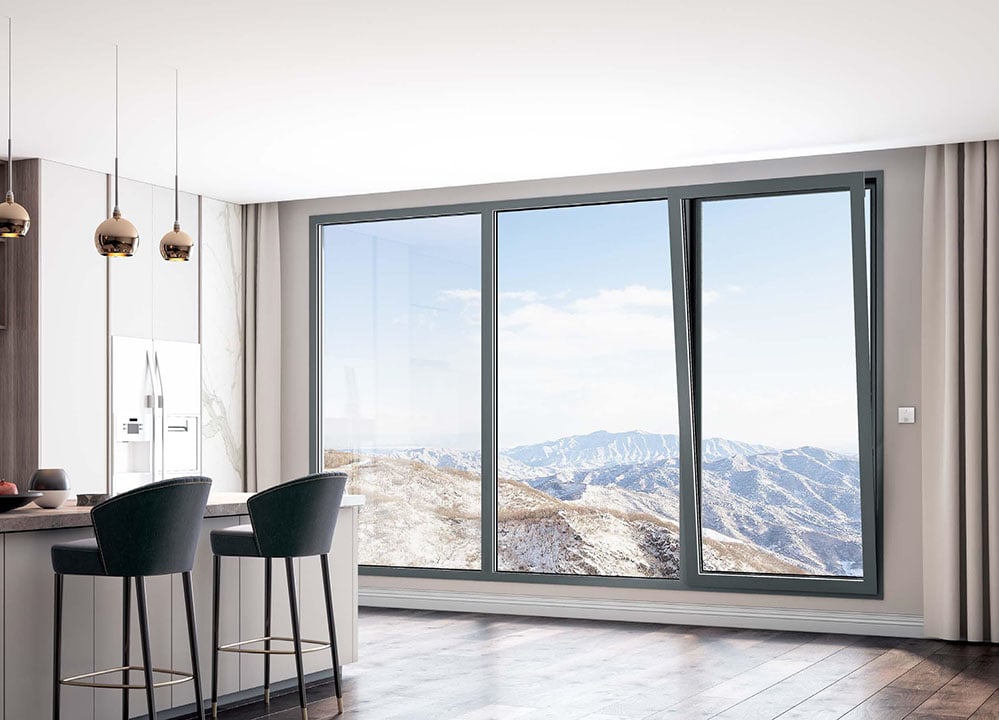
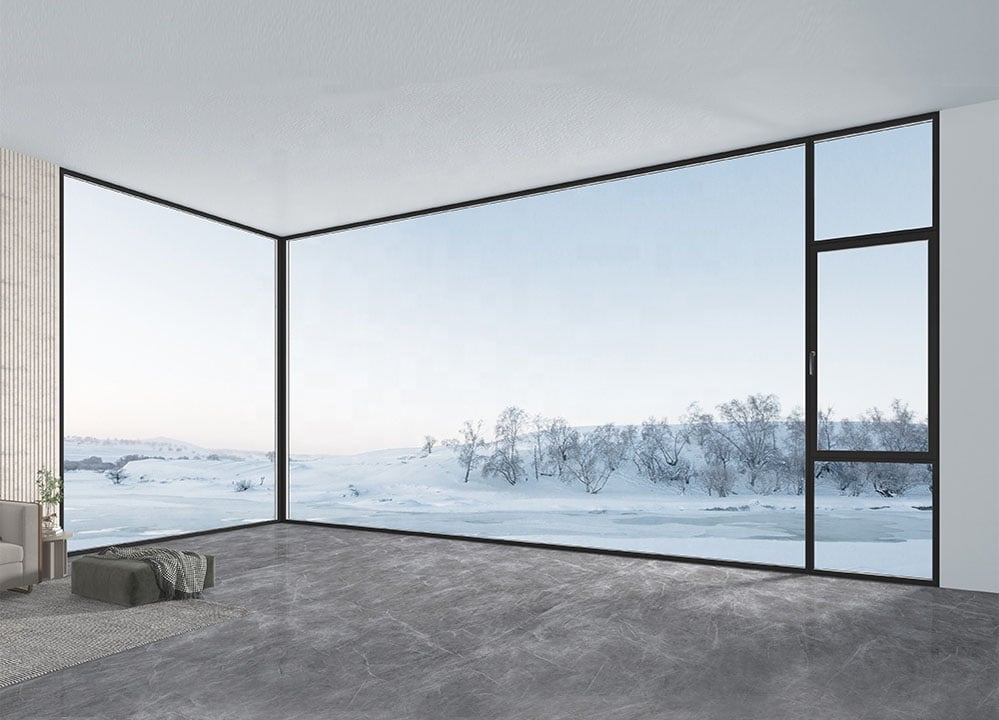
Installing lift-and-slide doors is a highly technical process that combines structural engineering, precision alignment, and advanced sealing techniques. When properly installed, these systems deliver exceptional performance, combining panoramic views with superior energy efficiency and operational smoothness.
For modern architecture, they are not just a design feature—they are a high-performance building envelope component that must be installed with care and expertise.