EN
EN
 AR
AR
 CS
CS
 DA
DA
 NL
NL
 FI
FI
 FR
FR
 DE
DE
 EL
EL
 HI
HI
 IT
IT
 JA
JA
 KO
KO
 PL
PL
 PT
PT
 RU
RU
 ES
ES
 SV
SV
 IW
IW
 ID
ID
 LV
LV
 LT
LT
 SR
SR
 SK
SK
 SL
SL
 UK
UK
 VI
VI
 ET
ET
 HU
HU
 MT
MT
 TH
TH
 TR
TR
 FA
FA
 MS
MS
 GA
GA
 HY
HY
 UR
UR
 BN
BN
 GU
GU
 TA
TA




How to Optimize Windows for US Residential Energy Efficiency
Energy waste through windows is one of the biggest hidden costs for American homeowners. Old, poorly sealed windows blast cool air out in winter and trap scorching sunlight indoors during summer, driving up your HVAC bills year-round. Many homeowners assume full window replacement is the only fix, but energy optimization covers small low-cost tweaks and thoughtful long-term upgrades alike. This guide walks you through streamlined, actionable ways to cut energy loss from your home windows, matched to different U.S. climate zones and budgets.
Spot Inefficient Windows in Your Home First
Before sinking money into upgrades, quickly audit your existing windows to pinpoint weak spots. Hold your hand along window frames on windy days—cold drafts signal worn weatherstripping and air leaks. Foggy, cloudy glass between panes means insulated sealed units have failed. Single-pane windows, common in older homes, offer almost no thermal barrier. Your home’s window orientation also matters: west-facing windows soak harsh afternoon heat, while north-facing ones constantly bleed indoor warmth in cold winters. These simple observations tell you exactly which fixes to prioritize.
Pick Window Configurations for America’s Diverse Climates
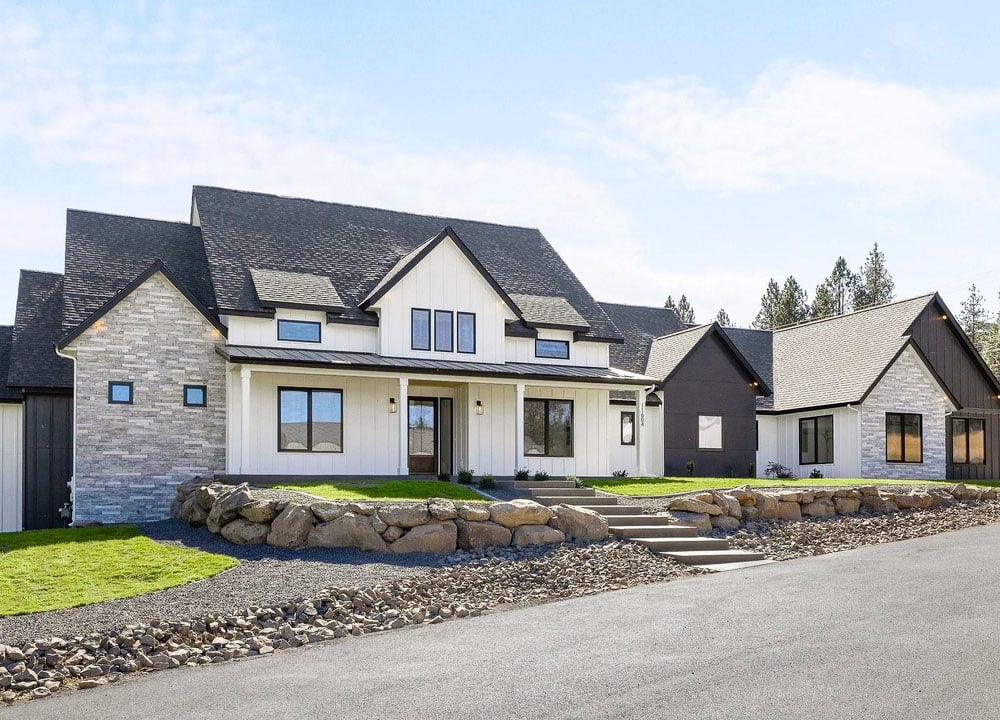
The United States spans freezing northern states, humid southern coasts and mild temperate zones, so one-size-fits-all windows never work. If you live in cold northern areas, prioritize low U-value double or triple-pane glass filled with argon gas paired with soft-coat Low-E coating. This locks indoor heat inside and prevents frosty interior glass surfaces. For hot, sunny southern and coastal regions, select windows with low SHGC ratings to block solar heat gain; hard-coat Low-E glass keeps UV rays and sweltering sunlight out without darkening your view. Homeowners in mild middle states can stick to standard double-pane Low-E windows for balanced comfort all year long.
Frame Material Quick Breakdown
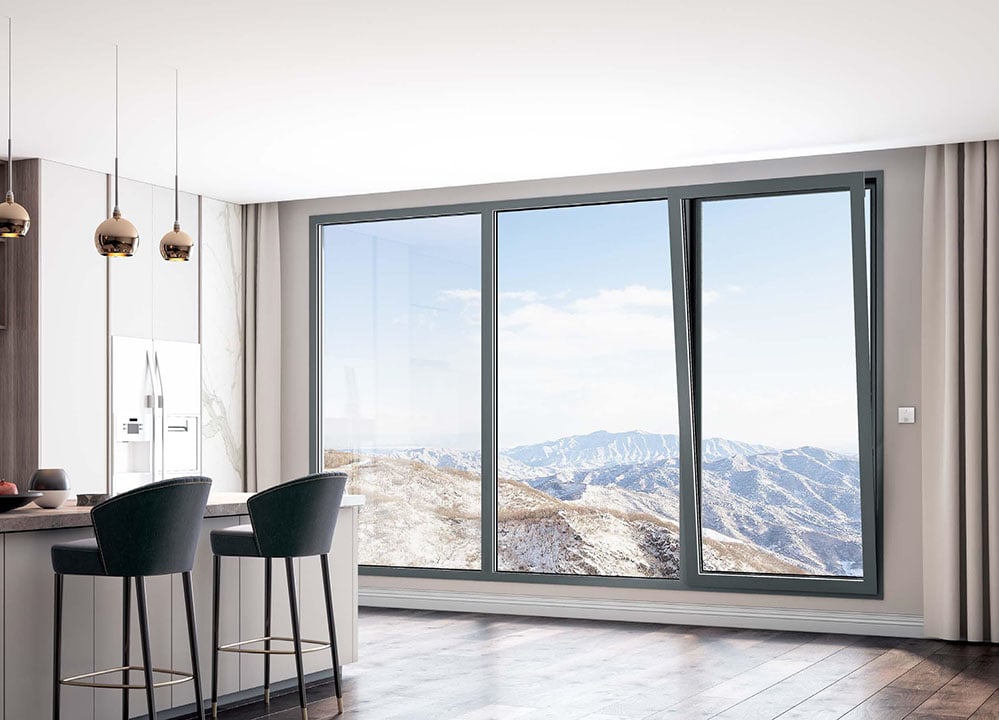
Frame material directly impacts thermal performance, and each option balances price and durability. Vinyl frames deliver great insulation at an affordable price with minimal upkeep. Fiberglass frames resist warping through extreme temperature swings for long-term stability, though they come with a higher upfront cost. Aluminum frames look sleek for modern builds but conduct heat rapidly—always pair them with thermal breaks if you prefer this style. Natural wood frames match classic ranch and farmhouse architecture but require yearly sealing or painting to avoid rot.
Budget-Friendly Fixes for Immediate Energy Savings
You don’t need to replace all windows overnight to slash utility costs. Fast, affordable adjustments deliver instant improvements. Swap cracked, brittle weatherstripping around sashes to block constant air leakage. Apply insulating window film to sun-baked glass to reflect heat and protect furniture from UV fading. Heavy thermal curtains create an extra insulating layer; close them during hot midday hours and draw them tight every winter night to trap warmth inside. Clear foam insulation tape fills tiny frame gaps on vintage single-pane windows as a temporary seasonal solution. These small adjustments require no professional installation and lower monthly energy bills right away.
When Full Window Replacement Is Worth the Investment
Temporary patches only delay bigger issues for severely damaged windows. Plan a full upgrade if your glass fogs permanently, frames warp so sashes won’t lock tight, or drafts persist after sealing repairs. New energy-efficient windows qualify for U.S. federal tax credits and local utility rebates, offsetting part of your upfront expense. Never overlook installation quality: even top-tier triple-pane windows waste energy if gaps around frames aren’t filled with foam insulation and sealed with waterproof caulk. Reliable installers ensure proper drainage and airtight barriers that preserve your windows’ rated energy performance for decades.
Simple Routine Maintenance to Preserve Window Efficiency
Well-maintained windows hold their energy-saving capabilities far longer. Every spring and fall, wipe debris from drainage tracks to stop trapped moisture that rots frames and breaks glass seals. Lubricate hinges and locks to keep sashes closing fully, eliminating unnecessary gaps. Inspect exterior caulk once annually; peeling or cracked sealant lets outdoor air and rain seep inside. Ten minutes of seasonal checks prevent expensive breakdowns and keep your windows working efficiently year after year.
Final Takeaway
Window energy optimization balances quick budget hacks and intentional long-term upgrades tailored to your local climate. Start with simple sealing and window treatments for instant savings, then plan full replacements for heavily damaged units when your budget allows. Matching glass coatings, frame materials and installation standards to your regional weather eliminates unnecessary HVAC strain, lowers monthly utility expenses, and creates a consistently comfortable indoor space through every U.S. summer and winter.