EN
EN
 AR
AR
 CS
CS
 DA
DA
 NL
NL
 FI
FI
 FR
FR
 DE
DE
 EL
EL
 HI
HI
 IT
IT
 JA
JA
 KO
KO
 PL
PL
 PT
PT
 RU
RU
 ES
ES
 SV
SV
 IW
IW
 ID
ID
 LV
LV
 LT
LT
 SR
SR
 SK
SK
 SL
SL
 UK
UK
 VI
VI
 ET
ET
 HU
HU
 MT
MT
 TH
TH
 TR
TR
 FA
FA
 MS
MS
 GA
GA
 HY
HY
 UR
UR
 BN
BN
 GU
GU
 TA
TA




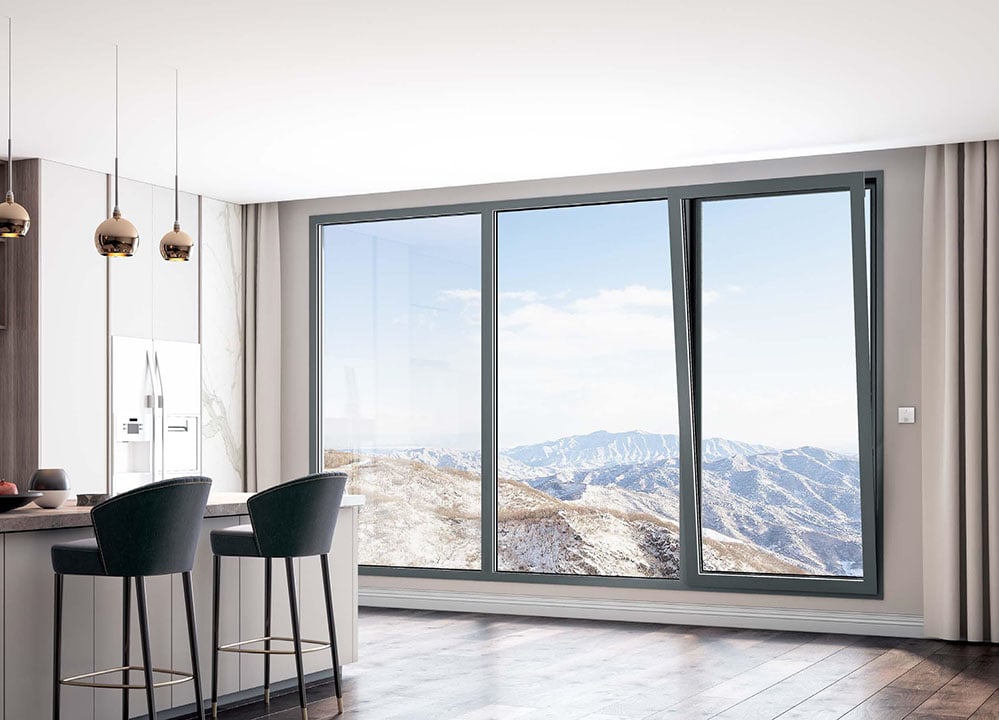

Hot & Dry Climate Window Care | Arizona & California Home Tips
Living in Arizona or California means embracing year-round sunshine, warm temperatures, and a dry climate that’s perfect for outdoor living—but it also means your windows face unique challenges. The intense heat, harsh UV rays, low humidity, and occasional dust storms can take a toll on even the most durable windows, leading to warping, fading, seal failure, and reduced energy efficiency. Fortunately, with the right care and maintenance routine, you can protect your windows, extend their lifespan, and keep your home cool and comfortable—without breaking the bank. Below, we’ve rounded up expert tips tailored specifically to the hot, dry conditions of the Southwest, so you can keep your windows in top shape for years to come.
- Prioritize UV Protection: Shield Your Windows (and Home) from Harsh Rays
In Arizona and California, the sun’s UV rays are some of the strongest in the country—even on cloudy days. These rays don’t just fade your furniture, flooring, and window treatments; they can also damage your window frames, sashes, and seals over time. For wood windows (a popular choice in many Southwest homes), UV exposure can cause drying, cracking, and warping, while aluminum frames may develop discoloration or corrosion.
What to do: Invest in low-emissivity (Low-E) glass if you haven’t already—it blocks up to 90% of harmful UV rays while still letting in natural light. For existing windows, add UV-protective window films or solar screens; these are affordable, easy to install, and can reduce heat gain by up to 30%. Additionally, consider exterior awnings or shutters for south- and west-facing windows, which bear the brunt of the afternoon sun. For wood windows, apply a UV-resistant sealant or stain every 1–2 years to create a protective barrier against the sun.
2.Combat Dryness: Prevent Frame Warping and Seal Failure
The low humidity in Arizona and California (often below 30%) is tough on windows, especially wood and vinyl frames. Dry air causes wood to lose moisture, leading to shrinkage, cracking, and warping—this can misalign the window sash, making it hard to open or close, and break the weatherstripping seal. Vinyl frames, while more resistant to dryness, can become brittle over time in extreme heat, increasing the risk of cracks.
What to do: For wood windows, keep the humidity inside your home between 30–40% using a humidifier—this helps prevent the wood from drying out too quickly. Avoid placing heaters or air vents directly near windows, as the hot, dry air will accelerate moisture loss. Inspect the weatherstripping around your windows every 6 months; if it’s cracked, brittle, or missing, replace it immediately to maintain a tight seal (this also improves energy efficiency). For vinyl frames, clean them regularly with a mild soap and water solution, and avoid using harsh chemicals that can damage the material.
3.Regular Cleaning: Fight Dust and Hard Water Stains
Dust storms and dry winds are common in the Southwest, leaving a thin layer of dust on windows that can scratch glass and clog window tracks. Additionally, hard water (common in many parts of Arizona and California) can leave unsightly mineral deposits on glass and frames, which are hard to remove if left untreated.
What to do: Clean your windows at least once a month (more often during dust season). Use a soft microfiber cloth to dust frames and tracks first—avoid abrasive sponges or scrub brushes, which can scratch surfaces. For glass, mix equal parts white vinegar and water (or a mild glass cleaner) to cut through hard water stains; wipe in a circular motion, then dry with a clean cloth to prevent streaks. For window tracks, use a small brush (like a toothbrush) to remove dust and debris, then wipe with a damp cloth. If tracks are sticky, add a small amount of silicone lubricant to keep them sliding smoothly.
- Inspect for Heat Damage: Catch Issues Early
Temperatures in Arizona and California can reach well above 100°F (38°C) in the summer, and this extreme heat can cause hidden damage to your windows. Seals may melt or degrade, glass may develop stress cracks, and frames may expand and contract, leading to gaps. Ignoring these issues can lead to higher energy bills (as cool air escapes) and more costly repairs down the line.
What to do: Conduct a quarterly inspection of your windows, focusing on high-heat areas (south- and west-facing windows). Look for signs of damage: cracked glass, warped frames, peeling paint or stain, and gaps around the frame. Check the sealant around the window perimeter—if it’s cracked or peeling, remove the old sealant and reapply a high-temperature-resistant caulk. If you notice fogging between double-paned glass, this is a sign of seal failure, and the glass will need to be replaced to restore energy efficiency.
Final Thoughts: Simple Care = Long-Lasting Windows
Living in the hot, dry climate of Arizona or California doesn’t mean you have to replace your windows every few years. By following these simple, climate-specific maintenance tips—prioritizing UV protection, combating dryness, cleaning regularly, and inspecting for heat damage—you can keep your windows functional, energy-efficient, and beautiful for decades. Remember, a little proactive care today can save you time, money, and frustration tomorrow. Whether you have solid wood, aluminum-clad, or vinyl windows, these tips will help you adapt to the Southwest’s unique conditions and get the most out of your investment.