EN
EN
 AR
AR
 CS
CS
 DA
DA
 NL
NL
 FI
FI
 FR
FR
 DE
DE
 EL
EL
 HI
HI
 IT
IT
 JA
JA
 KO
KO
 PL
PL
 PT
PT
 RU
RU
 ES
ES
 SV
SV
 IW
IW
 ID
ID
 LV
LV
 LT
LT
 SR
SR
 SK
SK
 SL
SL
 UK
UK
 VI
VI
 ET
ET
 HU
HU
 MT
MT
 TH
TH
 TR
TR
 FA
FA
 MS
MS
 GA
GA
 HY
HY
 UR
UR
 BN
BN
 GU
GU
 TA
TA







Aluminum Window & Door Maintenance Hacks: Complete Guide to Rust Prevention, Cleaning, and Noise Fixes
Aluminum windows and doors are beloved by homeowners for their durability, sleek appearance, and resistance to the elements. Unlike wooden counterparts that warp or steel ones that rust easily, aluminum offers a low-maintenance solution—but only if you give it the right care. Over time, exposure to rain, dust, and daily use can take a toll: unsightly spots, sticky operation, or annoying squeaks may start to appear. The good news is that with a few simple habits and targeted fixes, you can keep your aluminum windows and doors looking polished and functioning smoothly for decades. This guide breaks down everything you need to know about rust prevention, proper cleaning, and eliminating those pesky noises.
First, let’s tackle rust prevention—yes, even aluminum can develop “rust-like” issues. While pure aluminum doesn’t rust in the traditional sense (that’s iron oxide), it can form aluminum oxide, a dull, powdery film, or corrode in areas where it’s in contact with other metals (like steel screws) or exposed to saltwater (for coastal homes). The key to prevention is stopping moisture and contaminants from clinging to the surface long-term.
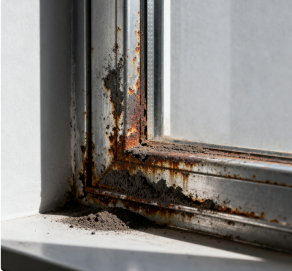
Start with regular inspections, focusing on joints, hardware, and areas where the aluminum meets other materials. After heavy rain or storms, wipe down the frames with a dry microfiber cloth to remove excess moisture. For coastal properties, rinse the frames monthly with fresh water to wash away salt residue—salt is one of aluminum’s biggest enemies. If you notice small chips in the protective coating (the powder coat that gives aluminum its color), touch them up immediately with a matching aluminum touch-up paint. This creates a barrier against moisture. Additionally, avoid using steel wool or abrasive tools that can scratch the coating; even tiny scratches can become entry points for corrosion.
Next, mastering the art of cleaning will keep your aluminum windows and doors looking as good as new. The biggest mistake homeowners make is using harsh chemicals—ammonia, bleach, or abrasive cleaners—that strip the protective coating and damage the finish. Stick to gentle, non-abrasive solutions for both frames and glass.
For routine cleaning: Mix a few drops of mild dish soap with warm water. Dip a soft sponge or microfiber cloth into the solution and wipe the frames in a circular motion, paying extra attention to dirty spots like window tracks or door handles. Rinse thoroughly with clean water to remove soap residue, then dry with a lint-free cloth to prevent water spots. For stubborn stains (like hard water deposits or bird droppings), make a paste of baking soda and water, apply it gently with a cloth, and let it sit for 5–10 minutes before rinsing. For the glass, use a glass cleaner that’s ammonia-free, or make your own with equal parts white vinegar and water—this cuts through grime without harming the aluminum frame.
Don’t forget the tracks and grooves! These areas collect dust, dirt, and debris, which can lead to sticky operation or corrosion. Use a small brush (an old toothbrush works perfectly) to loosen debris, then vacuum it up. Wipe the tracks with a damp cloth dipped in soapy water, then dry and apply a thin layer of silicone lubricant (avoid oil-based lubricants, which attract more dirt) to keep the window or door sliding smoothly.
Now, let’s address one of the most frustrating issues: squeaky or noisy aluminum windows and doors. The culprit is usually friction between moving parts—hinges, rollers, or locks—that have dried out or collected debris. Fixing these noises is quick and requires minimal tools.
For squeaky hinges: Start by cleaning the hinge pins with a damp cloth to remove dirt and old lubricant. Once dry, apply a small amount of silicone lubricant or petroleum jelly to the pins. Open and close the door or window several times to work the lubricant into the hinge. For sliding windows or doors that grind or squeak, the problem is often dirty or dry rollers. Remove the sash (follow your manufacturer’s instructions) and clean the rollers with a soapy cloth. Dry them thoroughly, then apply a light silicone lubricant. If the rollers are worn out (look for cracks or uneven wear), replace them—they’re affordable and easy to find at hardware stores.
Noisy locks can be fixed by spraying a small amount of dry lubricant (like graphite powder) into the keyhole and working the key in and out a few times. Avoid liquid lubricants here, as they can gum up the lock mechanism over time.
In conclusion, aluminum windows and doors are a smart investment, and their low-maintenance reputation holds true—if you stay consistent with simple care. By focusing on rust prevention (moisture control and touch-ups), gentle cleaning (avoid harsh chemicals!), and targeted noise fixes (lubricate and clean moving parts), you’ll ensure your aluminum fixtures remain functional and attractive for years. The best part? These tasks take only a few minutes each month, but the payoff is decades of reliable performance. Your home’s curb appeal and your peace of mind will thank you.