EN
EN
 AR
AR
 CS
CS
 DA
DA
 NL
NL
 FI
FI
 FR
FR
 DE
DE
 EL
EL
 HI
HI
 IT
IT
 JA
JA
 KO
KO
 PL
PL
 PT
PT
 RU
RU
 ES
ES
 SV
SV
 IW
IW
 ID
ID
 LV
LV
 LT
LT
 SR
SR
 SK
SK
 SL
SL
 UK
UK
 VI
VI
 ET
ET
 HU
HU
 MT
MT
 TH
TH
 TR
TR
 FA
FA
 MS
MS
 GA
GA
 HY
HY
 UR
UR
 BN
BN
 GU
GU
 TA
TA

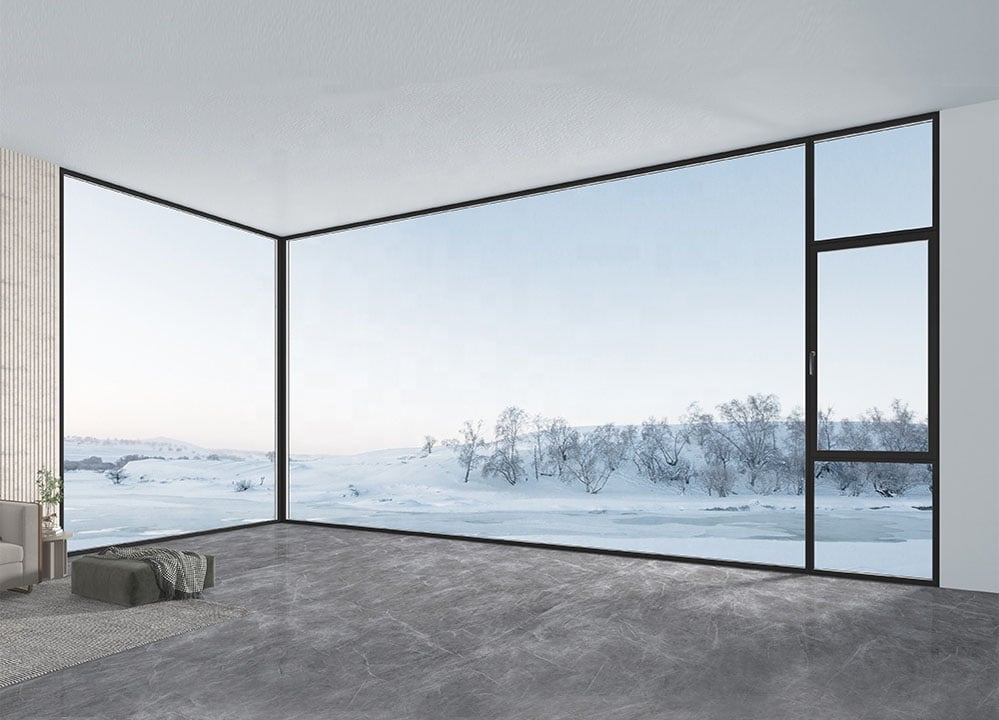
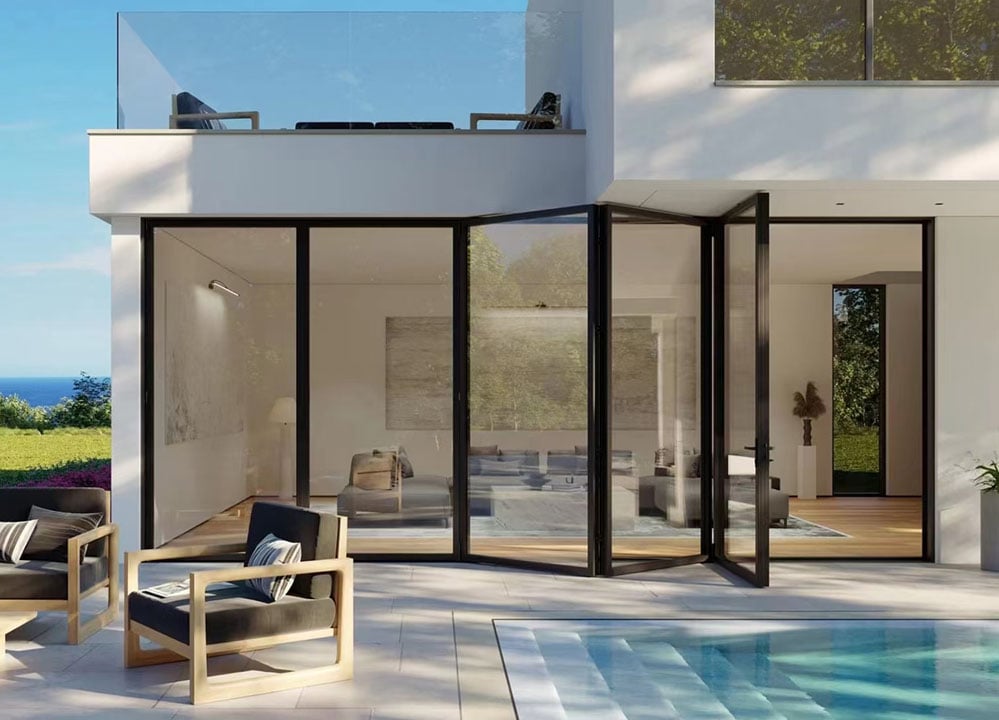
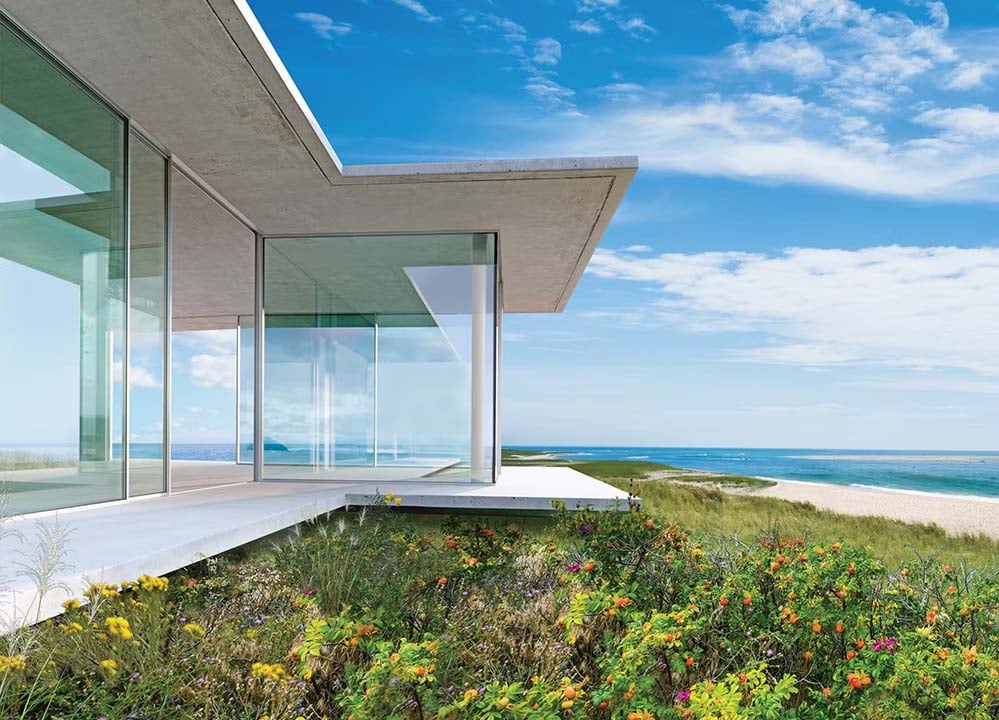

Against North America's Extreme Weather: Key Buying Tips for Outdoor Aluminum Doors with UV Resistance and Temperature Change Tolerance
From the blistering sun and hurricanes in Florida to the heavy snow and bitter cold in Canada, the extreme weather across the North American continent places strict demands on the performance of outdoor doors and windows. As the "first line of defense" connecting indoor and outdoor spaces, the UV resistance and temperature change tolerance of outdoor aluminum doors directly determine their service life and living comfort. Many homeowners have encountered problems such as door discoloration, deformation, and seal failure, which actually stem from overlooking key climate-adaptive indicators during the purchasing process. This article compiles core buying tips to help you avoid misunderstandings and select high-quality products that can withstand the test of harsh weather.
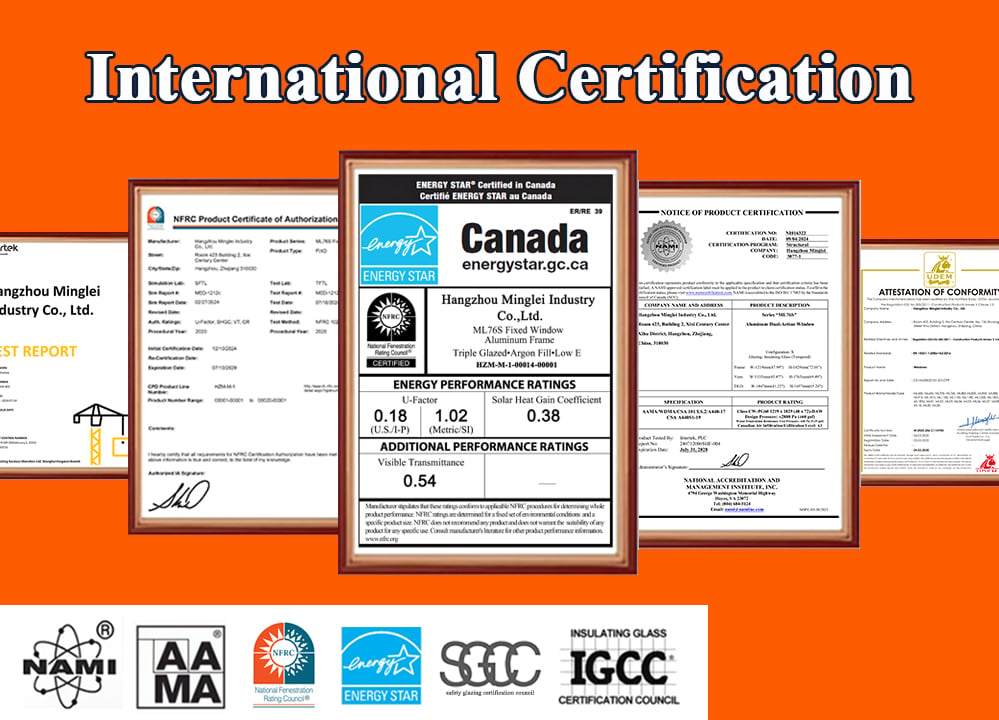
UV resistance is the "survival baseline" for outdoor doors in North America. Southern states receive over 3,000 hours of sunlight annually, and intense UV rays can cause aging and discoloration of ordinary door and window coatings, which not only affects aesthetics but also damages the structural stability of profiles. When purchasing, first focus on surface treatment processes: aluminum doors treated with "fluorocarbon spraying" or "powder coating" are preferred. The dense coating formed by the former can resist more than 95% of UV erosion, maintaining bright colors even after 10 years of sun exposure. The latter, with a coating formed through high-temperature curing, has strong adhesion, and its weather resistance compliance rate is 60% higher than that of ordinary spraying. Meanwhile, confirm whether the product has passed the UV resistance test of AAMA (American Architectural Manufacturers Association) – the certification mark is a crucial guarantee of quality.
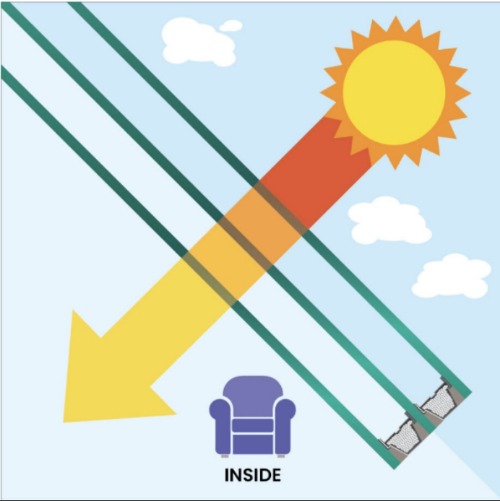
For coping with drastic temperature changes, profiles and sealing systems are key. In central and northern North America, temperatures can drop to -30°C in winter and rise to 38°C in summer, with daily temperature differences often exceeding 20°C. Ordinary aluminum doors are prone to thermal expansion and contraction of profiles and enlarged gaps, leading to insulation failure, air leakage, and water seepage. It is recommended to choose high-strength aluminum profiles with a wall thickness of ≥1.4mm, which have lower thermal conductivity and can control the deformation rate within 0.1% during temperature fluctuations. For the sealing system, look for designs with "multi-layer EPDM rubber strips". This type of rubber strip can withstand temperatures ranging from -40°C to 120°C. When matched with double-layer insulating tempered glass, it not only blocks heat transfer but also prevents glass breakage due to temperature differences. In winter, it can increase indoor temperatures by 3-5°C, significantly reducing heating costs.
Extreme weather is often accompanied by strong winds and heavy rains, so wind pressure resistance cannot be ignored. In hurricane-prone areas, focus on the wind pressure resistance level of doors and windows – choose products that meet the ASTM E1886 standard, which can withstand strong winds of up to 130 km/h. Such aluminum doors usually adopt "reinforced mullions" and "anti-pry lock points", with expansion bolts fixing the connection between the door frame and the wall, ensuring structural stability even in strong winds. In addition, the design of the drainage system is also important. Styles with "hidden drainage holes + water guide strips" can quickly drain rainwater, preventing water from seeping into the room or corroding profiles.
Finally, after-sales service and local adaptability are equally important. Proper installation can maximize the performance of doors and windows; for example, the "polyurethane foam filling" installation process used in cold areas can further enhance thermal insulation. Meanwhile, confirm that the product complies with local building codes, such as Energy Star certification in California and CSA certification in Canada, to avoid delays in renovation due to compliance issues.
In North America's changeable climate, the purchase of outdoor aluminum doors should not only focus on appearance. By focusing on core performances such as UV resistance, temperature change tolerance, and wind pressure resistance, recognizing authoritative certifications, and matching with professional installation, you can ensure this "defense line" is both durable and reliable, providing long-term safety and comfort for your home.