EN
EN
 AR
AR
 CS
CS
 DA
DA
 NL
NL
 FI
FI
 FR
FR
 DE
DE
 EL
EL
 HI
HI
 IT
IT
 JA
JA
 KO
KO
 PL
PL
 PT
PT
 RU
RU
 ES
ES
 SV
SV
 IW
IW
 ID
ID
 LV
LV
 LT
LT
 SR
SR
 SK
SK
 SL
SL
 UK
UK
 VI
VI
 ET
ET
 HU
HU
 MT
MT
 TH
TH
 TR
TR
 FA
FA
 MS
MS
 GA
GA
 HY
HY
 UR
UR
 BN
BN
 GU
GU
 TA
TA







A Practical Guide to UPVC Window Installation: Key Steps and Warnings
Thinking of installing UPVC windows yourself? While it's a project some handy homeowners tackle, professional installers strongly caution that it's fraught with potential pitfalls. Here’s what you need to know about the process and its critical considerations.
The Big Consideration: DIY vs. Professional Installation
The most important step is deciding who does the work. Fitting windows is a precision craft. As one installer warns: "Yes, you can fit your own windows – but unless you’re qualified to do so, you shouldn’t." Mistakes in measurement or installation can void warranties, cause drafts and water ingress, and even affect your home's resale value if not signed off by building control.
Core Steps for UPVC Window Installation
If you proceed, here is a simplified overview of the key stages based on professional guides:
Precise Measurement (The Most Critical Step)
1.Windows are made-to-order. Incorrect measurements lead to costly, unfixable problems.
2.The Rule: The new frame should be approximately 10mm smaller than the brick opening on all sides to allow for levelling and adjustments.
3.Pro Tip: Always double and triple-check measurements against the old window before removal.
Careful Removal of the Old Window
1.Protect yourself and the interior plasterwork. Tape old glass to prevent shattering.
2.For timber frames, cut them in the middle of each side to control force and minimize damage to the brick surround.
Using Packers (Spacers) Correctly
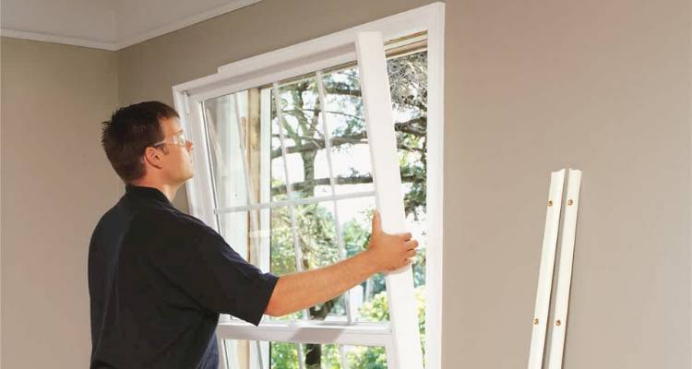
1.These small plastic or timber wedges are essential for a professional result.
2.They ensure the frame is perfectly level and square within the opening.
3.They prevent distortion from overtightening fixings and provide proper support for the glazing unit.
Fitting and Glazing the New Window
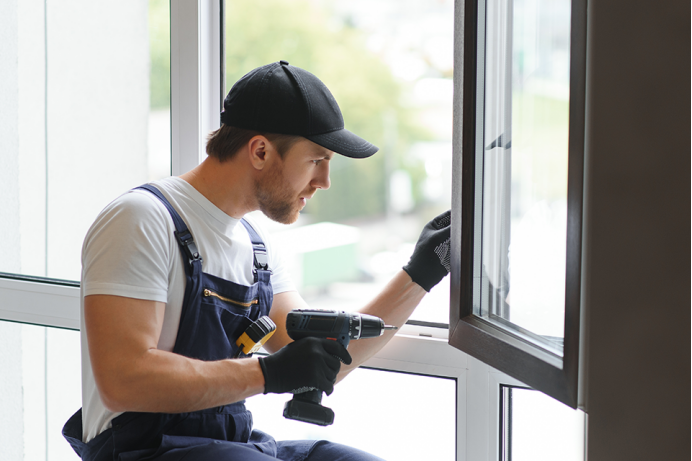
1.Position the frame in the opening, using packers to achieve perfect level and square.
2.Securely fix the frame to the surrounding structure as per manufacturer instructions.
3."Toe and Heel" the Glazing: This is a crucial structural step. Packers are placed diagonally (top lock side and bottom hinge side) to brace the glass unit and prevent the sash from dropping over time. The glass must sit on packers, not directly in the frame channel.
Sealing and Final Checks
1.Apply appropriate sealants around the exterior to make the installation weatherproof.
2.Check all opening sashes operate smoothly. The work may require approval from your local building control authority.
Key Takeaways
Accuracy is Everything: A mistake of a few millimetres can ruin the entire project.
Preparation is Key: Have all tools, sealants, and packing materials ready before starting.
Understand the Structure: A window is a structural component. "Toe and heeling" the glass is non-negotiable for long-term performance.
When in Doubt, Hire a Pro: Given the complexity, cost of materials, and risk of voiding guarantees, professional installation is often the most secure and economical choice in the long run.